
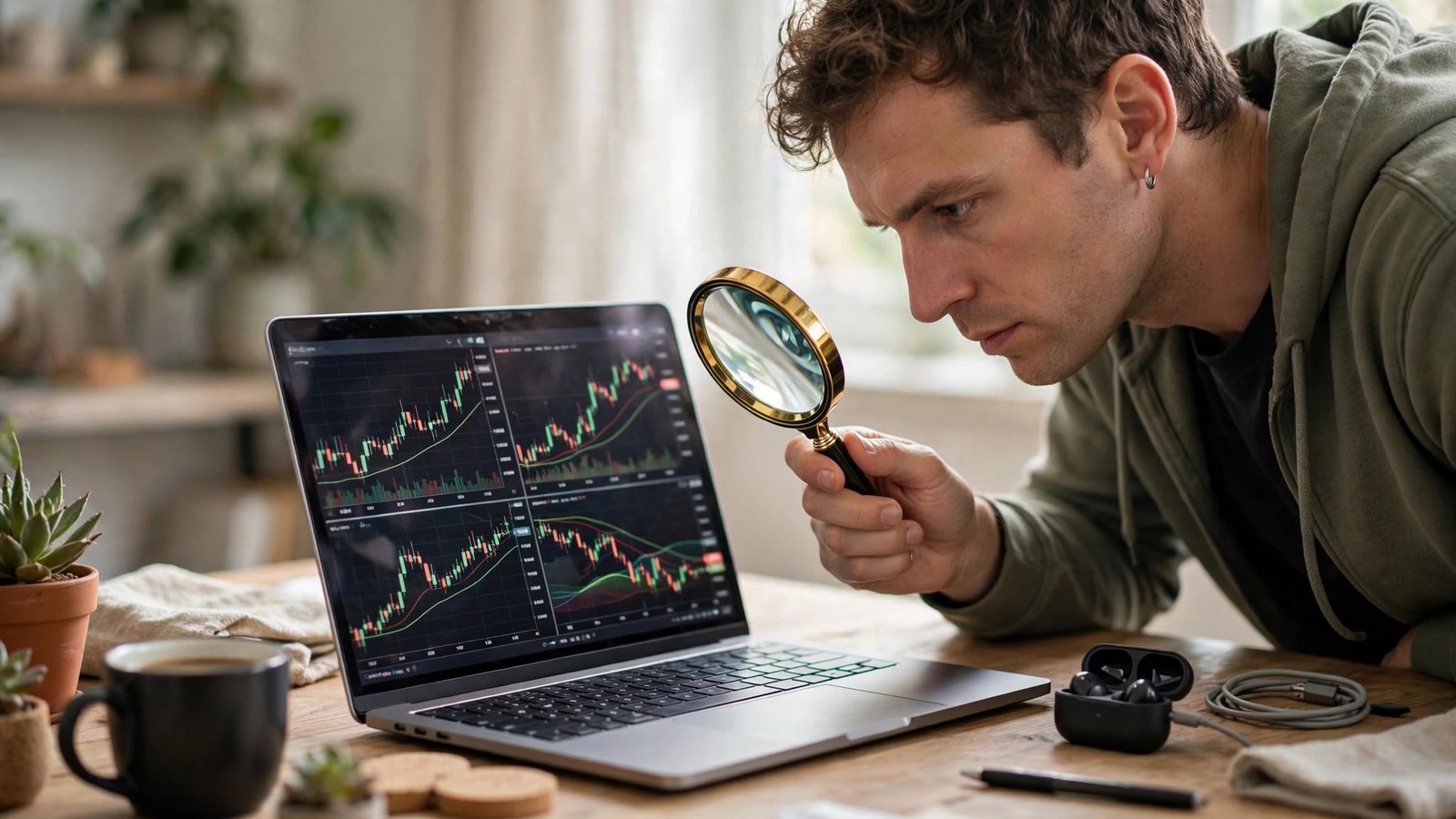
Every bull market mints overnight millionaires — and a much larger crowd who watched their savings vanish into a coin that was never real to begin with. Thousands of new cryptocurrencies launch every month, and while a few are genuine experiments, a disturbing share are engineered to separate you from your money as fast as possible. The good news: crypto scams reuse the same playbook over and over, so anyone can learn to spot the warning signs before investing a single dollar.
Start With the Team: Who Is Actually Behind the Coin?
Legitimate projects are built by real people who stake their reputations on the work. Before considering any new coin, find the founders’ names and verify them independently: real LinkedIn profiles with employment histories, conference talks, code on GitHub under their own names. For a brand-new token asking for your money, an anonymous team is a serious red flag — nobody is accountable if the project disappears. A thirty-second reverse image search on team photos has exposed countless fake teams.
Also watch how the team communicates. Real developers answer hard technical questions in public, publish audits and post-mortems, and admit mistakes. Scam teams delete critical comments, ban questioners from their chat channels, and answer every concern with price predictions. If the loudest thing about a project is its community manager promising “100x incoming” while nobody can explain what the token does, you are looking at a marketing operation, not a technology project.
Red-Flag Tokenomics: Supply, Distribution, and Liquidity
Tokenomics — how a coin’s supply is created and distributed — shows where the money flows, and scammers leave fingerprints here. If the top ten wallets control more than half the supply, or the developers quietly allocated themselves 40 percent of all tokens, a handful of insiders can crash the price the moment they sell. Legitimate projects publish clear vesting schedules locking team tokens for years; scam projects keep team allocations vague, unlocked, or quietly adjustable.
Liquidity is the other half of the trap. A coin is only worth what you can sell it for, and scam tokens often launch with tiny liquidity pools the creators control. They can drain the pool at any moment — the classic “rug pull” — leaving holders with tokens that cannot be sold at any price. Before buying, check the pool size against the market cap and confirm liquidity is locked in a time-locked contract. The SEC’s investor guide to digital assets is worth reading before trusting any token’s numbers.
The Smart Contract Test: Ten Minutes on a Block Explorer
You do not need to be a programmer to run a basic contract check. Copy the token’s contract address from the project’s official channels — never from a random chat message — and paste it into a block explorer like Etherscan. Confirm the address matches the official website and the CoinGecko or CoinMarketCap listing, since scammers publish fake addresses constantly. Then study holder distribution: healthy tokens show organic accumulation across many wallets, while scams show a few wallets with massive launch allocations or bots faking volume.
Next, check for an audit by a reputable security firm — and skim the audit itself, not just the website badge. Scam projects skip audits, link to audits of a different contract, or buy rubber-stamp reviews from unknown firms. Also look for dangerous owner functions: can the creator mint unlimited tokens, pause trading, or blacklist sellers? Some contracts contain honeypot code that lets you buy but never sell. If the contract looks engineered to trap buyers, walk away no matter how exciting the chart looks.
Marketing Tricks That Scam Coins Always Use
Scam coins market like infomercials because urgency is their business model. Watch for guaranteed returns — “earn 2% daily, guaranteed” — which is impossible in any legitimate investment and exactly what the Federal Trade Commission flags in its cryptocurrency scam guide. Watch for countdown timers and “presale ending in 4 hours” pressure. Legitimate technology does not need manufactured panic to find buyers. Treat celebrity endorsements and influencer hype the same way: paid promoters often sell into the frenzy their own followers create.
Another classic is the fake partnership announcement — a new coin claiming to “partner with” a major company when the reality is one email or nothing at all. Verify every partnership on the partner’s official channels, never the coin’s. Then examine content quality: copied whitepapers, buzzword-filled websites with no technical substance, roadmaps promising a blockchain, a metaverse, and an AI trading bot in one quarter. Real projects are specific about what they do and honest about what they have not built.
Your Pre-Investment Checklist: A Routine You Can Repeat
Turn this into a repeatable routine before every purchase. Verify the team: real names, real histories, real accountability. Read the tokenomics: supply, insider allocation, vesting, locked liquidity. Inspect the contract: matching address, sane holder distribution, genuine audit, no trap functions. Stress-test the marketing: no guaranteed returns, no manufactured urgency, no unverifiable partnerships. Search the project name plus “scam” and “rug pull,” reading the critical results. Finally, size every position so a total loss stings but does not change your life.
One habit separates survivors from victims: log every coin you consider, what the checklist found, and what you decided. Over time you will spot your own patterns — maybe influencer hype keeps tempting you. Remember that passing every check does not make a new token a good investment, only not an obvious scam. Honest new tokens are still brutally risky, which is why position sizing matters more than picking winners. Browse our crypto guides, meet the team behind our research, or ask us to look into a coin you are unsure about.
Before investing in any new cryptocurrency, verify the team, the tokenomics, and the smart contract — and reject anything promising guaranteed returns or pressuring you to buy now. A calm ten-minute checklist protects you from nearly every crypto scam.
Conclusion
Spotting a crypto scam is a skill, not a gift. Anonymous teams, lopsided allocations, unlocked liquidity, unaudited contracts, guaranteed returns, and manufactured urgency sit behind nearly every rug pull in crypto history. Run the checklist calmly, verify claims on independent sources rather than the project’s own channels, and keep positions small enough that a total loss would not change your life. Make scrutiny your habit, and let the scams pass you by.
Frequently Asked Questions
Can a coin with a real audit still be a scam?
Yes. Audits check code for bugs, not business honesty — a project with clean code can still be a slow rug pull if insiders hold most of the supply. Treat an audit as one positive signal among many, and keep checking the team, tokenomics, and liquidity. The most dangerous scams look professional.
What exactly is a rug pull?
It happens when a token’s creators drain the liquidity pool or dump their holdings, collapsing the price to near zero while investors cannot sell. Warning signs include anonymous teams, unlocked liquidity, and huge insider allocations. Once liquidity is gone, recovery is essentially impossible — prevention is the only defense.
Are crypto presales always scams?
No, but they are the highest-risk corner of a risky market. The format — pay now for untradeable tokens from an unproven team — is tailor-made for fraud. Apply the full checklist, assume you could lose everything, and never let “ending soon” pressure rush you.
How do I check whether a token’s liquidity is locked?
Find the liquidity pool on a block explorer or DEX analytics site and look for a lock contract with a future unlock date. No lock, a lock expiring in days, or a defensive team are all reasons to walk away. Locked liquidity does not guarantee safety, but unlocked liquidity on a new token guarantees danger.
What should I do if I already bought a suspected scam token?
Try to sell immediately, even at a loss — partial recovery beats a total one. Document transaction hashes and the project’s claims, then report it to the FTC and your state’s attorney general. Never pay anyone offering to “recover” your funds; recovery scams target victims twice.
Leave a Reply