Breaking

Category: Entertainment

  • Best Streaming Service for Classic Black-and-White Movies

    Best Streaming Service for Classic Black-and-White Movies

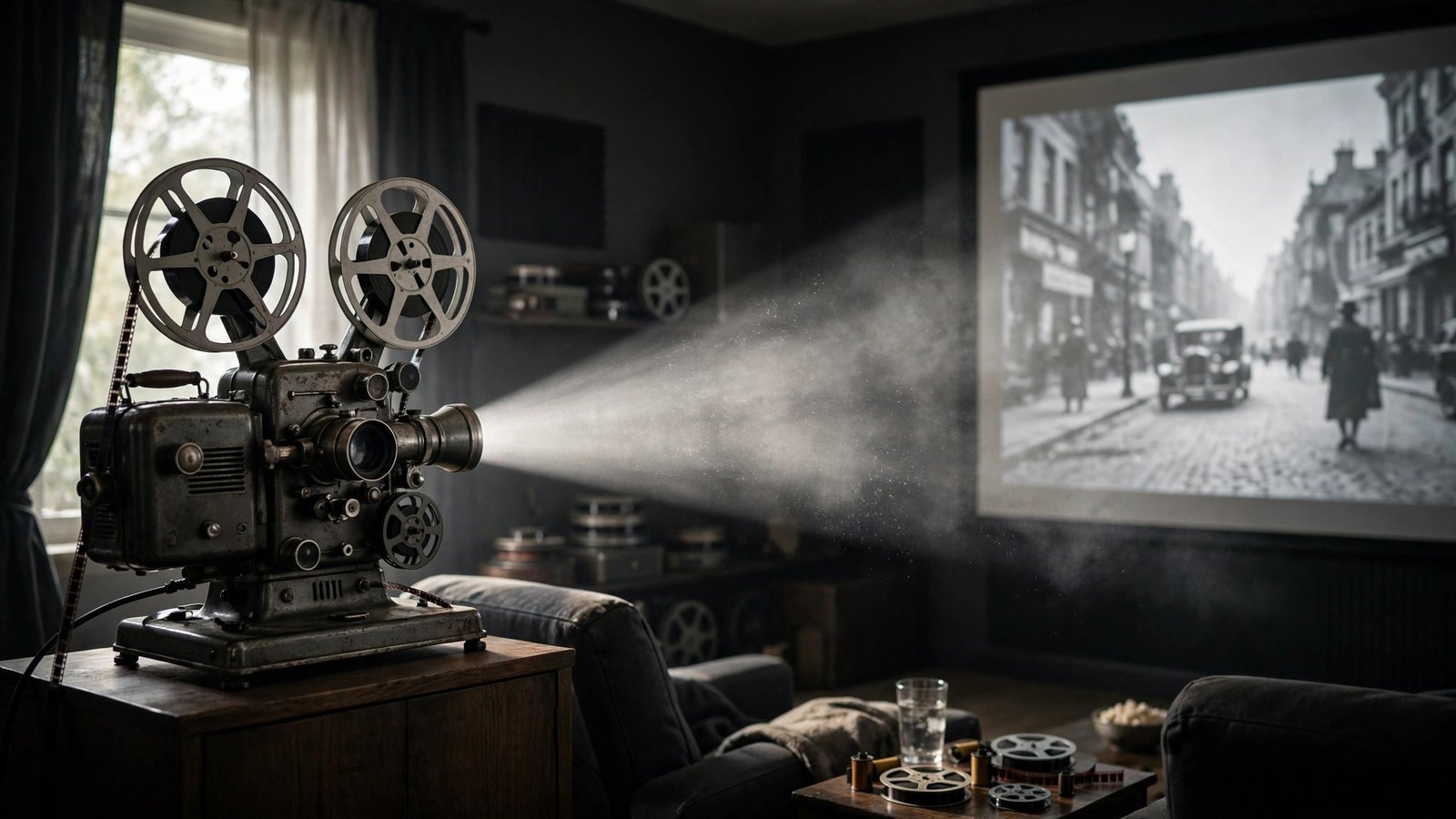
    Classic black-and-white films — the golden age of Hollywood, film noir, French New Wave, Kurosawa — are some of cinema’s greatest achievements, and they are frustratingly hard to stream. The major services chase new originals, leaving classic film lovers to hunt across niche platforms. The good news: a few services do classics exceptionally well, and one of the best is completely free with a library card. Here is where the classics actually live.

    The Criterion Channel: The Gold Standard

    If you watch classic films regularly, the Criterion Channel (~$11/month) is the answer, full stop. It streams the Criterion Collection — meticulously restored editions of canonical films from every era and country — plus curated programming, director spotlights, and extras that turn watching into film education. The black-and-white catalog is unmatched: Kurosawa, Fellini, Bergman, French New Wave, classic noir, silent masterpieces, all in the best available transfers. The service also rotates themed collections monthly, so there is always something new-to-you. For the serious classic film fan, no other service competes on depth or presentation. The only caveat is breadth beyond the canon — for mainstream golden-age Hollywood, pair it with the next pick.

    Max: The Classic Hollywood Library

    Max inherited Warner Bros.’ century-deep library, making it the best mainstream service for classic American films. Its TCM (Turner Classic Movies) hub streams hundreds of golden-age Hollywood titles — the MGM, Warner, and RKO catalogs — in good transfers, often with the contextual introductions TCM is famous for. Film noir, screwball comedies, musicals, and westerns are all well represented. Max costs more than Criterion, but you are getting HBO’s modern prestige catalog alongside the classics, which makes it the best single-service value for households that want both. Check the TCM hub specifically rather than browsing the main interface — the classics are curated there, not scattered.

    Kanopy: The Free Secret Weapon

    Kanopy is the best deal in classic film streaming and it costs nothing: free with most public library cards (or university logins), it streams thousands of acclaimed films including deep classic and arthouse catalogs. The Criterion Collection titles rotate through Kanopy, alongside Kino Lorber restorations and world cinema. The catch is the credit system — typically 5–15 “play credits” per month depending on your library — so it rewards deliberate viewing rather than browsing. For the patient viewer, Kanopy plus a library card delivers a huge fraction of what Criterion offers, free. If your library does not offer Kanopy, ask — demand drives adoption. Kanopy’s catalog is browsable before you sign up.

    Free Ad-Supported Options

    Several free services carry worthwhile classic selections. Tubi’s library includes a surprising number of older films — quality varies and transfers can be rough, but the price is right. Pluto TV runs dedicated classic-movie channels with scheduled programming (the “lean back” experience suits classics well). The Roku Channel aggregates free films including older titles. And YouTube hosts a vast gray-market of public-domain classics — many golden-age films whose copyrights lapsed are legally free there, though quality is inconsistent. These are excellent supplements: use them for casual discovery, and turn to Criterion or Max for the films that deserve proper restorations.

    What About the Big Services?

    Netflix, Hulu, Disney+, and Prime Video all carry some black-and-white classics, but inconsistently — titles rotate monthly, transfers vary, and none curates classics as a mission. Prime Video’s “free with Prime” section hides some gems (search specifically), and its rental store has nearly everything for $3–$4 — worth it for a specific must-see film. But for systematic classic-film watching, the big generalists are unreliable; their catalogs are built for breadth of new content, not depth of old. The winning combination for most classic film lovers: Criterion Channel for the canon, Kanopy free via library for supplements, and Max if the household also wants modern prestige TV. The Criterion Channel’s lineup shows current programming.

    Where to Start: Ten Essential Black-and-White Films

    New to classics? This starter list covers the range — one film per tradition, each a gateway to its genre. Casablanca (romance and wartime Hollywood at its peak), Citizen Kane (the one every film class assigns, and it earns it), Singin’ in the Rain (the great musical), Psycho (Hitchcock’s horror landmark), 12 Angry Men (a single room, twelve actors, perfect tension), Some Like It Hot (the great comedy), The Third Man (noir’s visual peak), Seven Samurai (Kurosawa’s epic — the adventure template), Bicycle Thieves (Italian neorealism’s heartbreaker), and The Apartment (Billy Wilder’s bittersweet masterpiece). Watch any three and you will understand what the fuss is about; watch all ten and you will have a film education most college courses would envy. Every title streams on at least one of the services above — check JustWatch for current availability.

    A final tip on watching order: pair them as double features and the education compounds. Watch Singin’ in the Rain and La La Land back to back to see the musical evolve; pair 12 Angry Men with a modern courtroom drama to feel how much tension a single room can hold; follow Seven Samurai with any modern action epic to spot the DNA. The classics stop feeling like homework the moment you watch them in conversation with the films they inspired. That is the real reward of the canon — not checking boxes, but seeing a century of cinema talk to itself.

    Do not be intimidated by the canon’s reputation, either — these films were mass entertainment in their day, designed to grip ordinary audiences, not to impress film students. Meet them on those terms: big emotions, bold stories, movie stars at their most charismatic. The black-and-white photography, far from being a barrier, is part of the beauty — shadows and light composed with a painter’s care. Give the first one twenty minutes, and the century melts away.

    For classic black-and-white films, the Criterion Channel is the gold standard (~$11/month, unmatched restorations and curation), Max’s TCM hub covers golden-age Hollywood, and Kanopy is free with a library card. The big generalist streamers are unreliable for classics.

    Conclusion

    Classic black-and-white movies stream best on services built for them: Criterion Channel for the canon in pristine restorations, Max’s TCM hub for Hollywood’s golden age, Kanopy free through your library, and Tubi/Pluto as free supplements. Skip the generalist services for systematic classic viewing — they rotate too unpredictably. For more film and entertainment guides, explore our entertainment section, meet the team, or send us your movie questions.

    Frequently Asked Questions

    What streaming service has the most classic movies?

    The Criterion Channel has the deepest curated classic catalog with the best restorations. Max’s TCM hub is best for golden-age Hollywood specifically. Kanopy (free with a library card) offers a large rotating classic selection at no cost.

    Is the Criterion Channel worth it?

    For regular classic-film viewers, yes — ~$11/month for the Criterion Collection’s restored editions, curated programming, and extras is unmatched. Casual viewers may do fine with Kanopy free plus occasional rentals.

    Can I watch classic movies for free legally?

    Yes — Kanopy is free with most library cards, Tubi and Pluto TV carry free ad-supported classics, and many public-domain golden-age films are legally free on YouTube. Quality varies, but the price is unbeatable.

    Why do classic films keep leaving streaming services?

    Licensing: most services rent classic titles rather than owning them, so catalogs rotate. Criterion Channel and Max’s TCM hub are the most stable because classics are core to their identity, not filler.

    Where can I watch silent films streaming?

    The Criterion Channel has the best silent-film selection with proper restorations and scores. Kanopy carries many silents free, and public-domain silents abound on YouTube (quality varies).

  • How to Plan the Perfect Date Night at Home for Under $50

    How to Plan the Perfect Date Night at Home for Under $50

    The best date nights are not the most expensive ones — they are the most thoughtful. A $200 restaurant dinner can feel generic; a $50 night at home, planned with care, can feel unforgettable. The secret is that romance runs on attention and atmosphere, not spending: the thought behind the details is what registers. Here is a complete date-night-at-home plan that feels luxurious for under fifty dollars.

    The Budget: Where $50 Goes

    Allocate roughly: $25–$30 for dinner ingredients, $8–$10 for dessert or a nice drink component, $5 for ambiance (candles, flowers), and $5–$7 for an activity. The math works because home cooking for two costs a fraction of restaurant prices — a genuinely impressive homemade dinner runs $12–$15 per person in ingredients. The remaining dollars go to the details that transform “dinner at home” (routine) into “date night” (event). Track spending as you shop; the plan only works if the little extras do not quietly double the budget.

    Dinner: Cook Something With Theater

    Pick a meal with a little performance to it — cooking together is half the date. Homemade pasta (flour, eggs, and a good sauce: under $10 for two, endlessly impressive), fondue (a pot of melted cheese or chocolate with dippers: interactive and fun), build-your-own sushi hand rolls (nori, rice, and a few fillings from the grocery: ~$20), or a “fancy” steak night (two well-chosen cuts seared properly beat a mediocre restaurant steak at triple the price). The rule: one dish you have made before (the reliable anchor) plus one small stretch (the adventure). Plate it nicely — real plates, not takeout containers — because presentation signals occasion. Light the candles before the food hits the table.

    Ambiance: The Five-Dollar Transformation

    Atmosphere is the highest-ROI spending in the entire plan. Dim every overhead light and switch to candles and string lights you own (or a $5 pack of tea lights). Put on a playlist — jazz, bossa nova, or whatever “your” music is — at background volume before your partner walks in. Clear the clutter from the main rooms; visual calm reads as romance. A single $4–$5 grocery-store flower bunch in a jar outshines expensive arrangements for the purpose. Scent matters: simmer cinnamon and orange on the stove, or light a candle you already have. These details cost almost nothing and do more for the evening’s feeling than any entrée.

    The Activity: Something to Do Together

    Dinner ends; the night should not. Plan one shared activity — the options are endless and mostly free. Cook a dessert together (chocolate fondue, homemade ice cream, a slightly ambitious cake). Do a wine or chocolate tasting with $10 of supplies and printed tasting notes. Stargaze with a blanket and a free astronomy app. Give each other massages (a $5 bottle of oil). Play a two-player game — card games, a puzzle, or a video game you both enjoy. Recreate your first date at home, or plan a dream trip together with a map and a bottle of wine. The activity’s job is shared attention: phones away, focus on each other. That is the actual luxury good here.

    The Details That Make It “Perfect”

    A few finishing touches elevate the night from nice to memorable. A handwritten note or card — a few sincere sentences beat any gift. Dress up a little; changing out of sweatpants signals that this is an occasion, for both of you. Put the phones in another room (the single most romantic thing you can do in 2026). Take one photo together to remember it. And build in unscheduled time — the best date-night moments are unplanned, and a rigid itinerary kills them. End the night the way you want to remember it: dessert, a slow dance in the living room, or just talking. The Gottman Institute’s relationship research consistently finds that small, attentive rituals predict relationship satisfaction far better than grand gestures.

    Why Weeknights Beat Weekends

    Counterintuitively, the best date nights happen on Tuesdays, not Saturdays. Weekends carry performance pressure — the reservation, the crowds, the sense that the night must justify the babysitter and the planning. A Wednesday date night has no such burden: expectations are low, restaurants are empty, and the whole evening feels like a delightful secret rather than an obligation. At home, weeknights are even better — the house is already yours, there is nowhere to be, and the ordinariness of a Tuesday makes the romance stand out in sharper relief. Couples who ritualize a weekly weeknight date report higher satisfaction than those who save romance for occasional grand weekends. Frequency beats grandeur: twelve lovely Tuesdays a year will do more for a relationship than two expensive Valentine’s productions.

    The research backs the ritual over the spectacle: relationship psychologists consistently find that couples who build small, regular connection habits — a weekly date, a daily check-in, a shared hobby — report higher satisfaction than those who invest mainly in grand occasions. Psychology Today’s relationship research roundups summarize decades of findings pointing the same way: it is the ordinary Tuesdays, not the extraordinary anniversaries, that carry a relationship. So the $50 weeknight date is not a budget compromise — it is the evidence-based optimal strategy. Make it weekly, protect it fiercely, and watch the ordinary become the foundation.

    Start this week: pick one night, plan one simple meal, and tell your partner the phones stay in the kitchen drawer. The first one might feel slightly awkward — any new ritual does — but by the third week it becomes the thing you both look forward to most. That is the real secret of the $50 date night: it is not about the money at all, but about the decision, repeated weekly, that each other comes first.

    A $50 date night at home beats a $200 dinner out when it runs on thoughtfulness: cook something with a little theater, transform the room with $5 of candles and dimmed lights, plan one shared activity, and put the phones in another room.

    Conclusion

    The perfect date night at home for under $50 is a formula: $25–$30 of well-chosen dinner ingredients cooked together, $5 of ambiance transformation, one shared activity, phones away, and attention on each other. Romance is a function of thoughtfulness, not spending — and thoughtfulness is free. For more relationship and entertainment guides, explore our entertainment section, meet the team, or send us your date night questions.

    Frequently Asked Questions

    What is a good cheap date night dinner to cook?

    Homemade pasta, fondue (cheese or chocolate), sushi hand rolls, or a well-seared steak night — all run $10–$15 per person in ingredients and feel special. Pick one reliable dish plus one small adventure, and plate it nicely.

    How can I make my home feel romantic for cheap?

    Dim overheads, use candles and string lights, play background music, declutter the main rooms, add a $5 grocery flower bunch, and introduce a pleasant scent. These near-free details transform the atmosphere completely.

    What are good at-home date night activities?

    Cook dessert together, do a wine or chocolate tasting, stargaze, play a two-player game, recreate your first date, or plan a dream trip together. The key: shared attention with phones in another room.

    How much should I budget for a date night at home?

    $50 covers an excellent evening: $25–$30 dinner ingredients, ~$10 dessert/drinks, $5 ambiance, $5–$7 activity. Home cooking is the core savings — restaurant-equivalent food at a third of the price.

    Is a home date night as good as going out?

    Often better — no reservations, no noise, no bill anxiety, and complete control of atmosphere. Research on relationships finds small attentive rituals matter more than grand expensive gestures for satisfaction.

  • Why Your Favorite Radio Station Keeps Playing the Same 20 Songs

    Why Your Favorite Radio Station Keeps Playing the Same 20 Songs

    You love your favorite station — and yet, somehow, you have heard the same twenty songs on rotation all week. It is not your imagination, and it is not laziness. Commercial radio’s tight playlists are the product of decades of audience research, ruthless business logic, and a fundamental truth about how most people actually listen. Understanding why the repetition exists makes it less maddening — and points you to where the variety actually lives.

    The Research: Familiarity Wins Every Test

    Radio stations do not guess what to play — they test it, relentlessly. Auditorium music tests gather hundreds of listeners to rate song hooks on familiarity and appeal; callout research phones listeners weekly to score the current playlist. The results are brutally consistent: familiar songs test well, unfamiliar songs test poorly, and listeners punish stations that play too many songs they do not recognize — by changing the station. Program directors call this “playing the hits,” and the data says the average listener wants exactly that. The paradox: the passionate music fan who notices the repetition is the outlier. The station is programmed for the casual listener who tunes in for 15 minutes during a commute and wants to hear something they know.

    The Business Logic: Repetition Is the Product

    Commercial radio sells audiences to advertisers, and the product it sells is predictable reach — the same large audience, reliably tuned in. Tight playlists (often 300–400 songs in total rotation, with the top 20–30 in “heavy rotation”) maximize time-spent-listening among the broad middle of the audience. Every unfamiliar song is a tune-out risk; every proven hit is tune-in glue. This is also why competing stations in the same format sound similar — they are all reading the same research and chasing the same demographic. The DJ’s personality, the morning show, and the station branding differentiate; the music is deliberately convergent. It is not artistic curation — it is audience manufacturing, and it works: the format has survived streaming by serving listeners who want zero decisions.

    How Listening Habits Created the Loop

    The “same 20 songs” feeling is amplified by how radio is consumed. The average listener tunes in for short bursts — a commute, a lunch break — totaling maybe 90 minutes a day in fragments. Heavy-rotation songs play every 2–4 hours, so a fragment listener hears the hits constantly but misses the deeper playlist entirely. Meanwhile, the passionate fan listening for six hours hears the full cycle repeat and feels the loop acutely. Both experiences are real; the station is optimized for the former. Dayparting adds another layer: mornings skew familiar and upbeat, evenings allow slightly more adventure — but the core rotation barely changes. Nielsen’s audio measurement research documents these listening patterns in detail.

    Where the Variety Actually Lives

    If you want depth, commercial FM is simply the wrong place to look — and that is fine, because alternatives abound. Public radio music stations (NPR affiliates, KEXP, WXPN-style) program with genuine curatorial ambition and far deeper playlists. College radio remains gloriously weird and free-form. Satellite radio’s genre channels go hundreds of songs deep in niches commercial radio ignores. And streaming — playlists, algorithmic radio, and podcasts — offers infinite variety for the active listener willing to choose. The healthiest approach is portfolio listening: commercial radio for the zero-effort commute company it does well, and curated sources for the discovery it was never built to provide. The FCC’s radio resources explain the broadcast landscape these formats operate in.

    The Science of the Hook: Seven Seconds Decide Everything

    There is a neurological reason the same songs work: the human brain rewards recognition with a small dopamine hit, and radio programmers exploit it ruthlessly. Research into music testing shows listeners decide whether they like a song within the first seven seconds — almost entirely on familiarity. A known hook triggers instant pleasure; an unknown intro triggers the mild anxiety of the unfamiliar, and the hand drifts toward the preset button. This is why stations front-load choruses, why intros have gotten shorter over the decades, and why “oh, I love this song” moments are the product’s core unit. The repetition literally trains your brain: each replay deepens the neural groove, making the next play feel even better. It is a feedback loop — familiarity breeds liking, liking rewards replay, replay deepens familiarity — and the station rides it all the way to the ratings book. Understanding the mechanism does not break the spell, but it explains why fighting it feels so hard: you are not arguing with a playlist, you are arguing with your own neurochemistry.

    The industry even has a term for the dark side of this loop: burnout, the point where a beloved hit finally tests poorly from overexposure. Stations monitor burnout scores weekly and rest songs before they curdle — which is why a song can vanish from rotation abruptly after months of ubiquity. The system is tuned to keep every song in the narrow band between “not yet familiar” and “already sick of it,” and the tight playlist is how they hold it there.

    Streaming was supposed to kill this model — and instead it clarified radio’s niche. When infinite choice arrived, a large audience revealed it did not want choice at all: it wanted companionship without decisions, which is exactly what the tight playlist delivers. That is why radio survived the Spotify era with most of its audience intact. The two systems now divide the labor cleanly: streaming serves the active listener who knows what they want, radio serves the passive listener who wants to be kept company. Neither is wrong; they are different products. And the passionate fan annoyed by repetition was never the customer — they were always going to find the deep cuts themselves.

    Radio repeats the same songs because research proves casual listeners — the audience advertisers buy — reward familiarity and punish unfamiliarity. Tight playlists are audience manufacturing, not laziness; variety lives on public, college, and satellite radio instead.

    Conclusion

    Your station plays the same 20 songs because decades of research say that is what the broad audience wants — familiarity maximizes listening, and listening is what gets sold. It is programmed for the 15-minute commuter, not the six-hour devotee. Accept commercial radio for what it does well and get your variety from public, college, satellite, or streaming sources built for discovery. For more music and entertainment explainers, explore our entertainment section, meet the team, or send us your music questions.

    Frequently Asked Questions

    How many songs are on a typical radio station playlist?

    Commercial stations typically rotate 300–400 songs total, with the top 20–30 in heavy rotation playing every few hours. That is why the biggest hits feel omnipresent while the full playlist stays invisible to casual listeners.

    Do DJs choose the songs on commercial radio?

    Rarely anymore — playlists are set by program directors using research data and scheduling software. DJs on commercial stations mostly provide personality between the songs; the music log is predetermined.

    Why do competing stations play the same songs?

    Stations in the same format chase the same demographic using the same research methods, so their playlists converge on the same proven hits. Differentiation comes from DJs, morning shows, and branding — not music selection.

    Where can I hear deeper playlists on radio?

    Public radio music stations (like KEXP or NPR affiliates), college radio, and satellite radio’s niche genre channels all program far deeper and more adventurous playlists than commercial FM.

    Is radio dying because of streaming?

    Not exactly — radio still reaches the vast majority of Americans weekly, precisely because it demands zero decisions. Streaming won active listening; radio kept passive listening, and the tight playlist is optimized for exactly that.

  • How to Record Your Grandpa’s Stories Before It Is Too Late

    How to Record Your Grandpa’s Stories Before It Is Too Late

    Every family has a grandpa with stories — the war years, the first car, the Depression-era childhood, the love story — and every family eventually wishes they had recorded them. Oral history is fragile: details fade, voices fall silent, and the stories you assumed you would always remember blur faster than you expect. Recording your grandpa’s stories is one of the highest-value projects you will ever undertake, and it is simpler than you think. Here is how to do it well, from the first question to the permanent archive.

    Start Now, Start Small

    The biggest mistake is waiting for the “right time” — a special occasion, better equipment, a planned trip. The right time is the next visit. You do not need a formal interview setup to begin; some of the best recordings happen casually, phone on the table during a regular afternoon. Tell him what you are doing and why: “I want to make sure we keep your stories — mind if I record?” Almost every grandparent is flattered, not bothered. Start with one story, not a life history — the goal of session one is simply to begin, because begun projects get finished and perfect plans do not.

    The Questions That Unlock Stories

    Bad question: “Tell me about your life.” Good questions are specific, sensory, and small. Try: What did your childhood home smell like? What was your first job, and what did it pay? How did you meet Grandma — what was she wearing? What scared you as a kid? What is something you built or fixed that you are proud of? What did a typical Sunday look like? What is the bravest thing you ever did? What advice would you give your 20-year-old self? Follow the energy: when his eyes light up on a topic, stay there — ask “then what happened?” and “what did that feel like?” rather than jumping to your list. The best question is often the follow-up. Avoid yes/no questions entirely; they close doors instead of opening them.

    Gear: Simple and Reliable

    Audio quality matters more than video for storytelling — a clear voice recording beats a shaky video every time. Your phone’s voice recorder app is genuinely sufficient to start; place it close (within a few feet), on a soft surface to avoid table vibrations. A $25–$30 lavalier mic clipped to his shirt dramatically improves clarity by cutting room echo — the single best cheap upgrade. For video, a phone on a small tripod at eye level works; frame him comfortably with soft window light on his face. Record in the quietest room available — turn off the TV, the dishwasher, the humming fridge if you can. Test 30 seconds and listen back before the real session. And always have a backup recording running (a second phone or app) — technology fails at the worst moments, and these stories are irreplaceable.

    Running the Session

    Keep sessions to 45–90 minutes — storytelling is tiring, especially for older voices. Let him talk; your job is mostly listening, with gentle steering. Do not correct details or fact-check mid-story — the feeling of the memory matters more than precision, and corrections shut people down. If he wanders, wander with him; tangents contain the gold. Take notes on names, dates, and places mentioned so you can ask about them next time. End while energy is still good, not when it is gone — you want him looking forward to session two. And record the everyday stuff too: him laughing, the kitchen sounds, the way he tells a joke. The texture of a person lives in the unplanned moments.

    Preserving It Forever

    A recording on one phone is one accident away from gone. The 3-2-1 rule: three copies, two different media types, one off-site. Concretely: keep the originals on your computer, back up to a cloud service (Google Drive, iCloud, Dropbox), and put copies on a USB drive stored elsewhere — or share with siblings so the archive is distributed across the family. Label everything with names and dates (“Grandpa Joe – childhood stories – March 2026”). Transcribe key stories if you can — even rough auto-transcripts (free tools do this well now) make the archive searchable and quotable. Consider the legacy formats: a printed booklet of transcribed stories for family, an audio compilation for the grandkids, or a private family podcast feed. The Library of Congress Veterans History Project accepts qualifying submissions and offers excellent oral-history guidance; StoryCorps’ interview resources provide question lists and recording tips refined over decades.

    Involve the Whole Family in the Project

    Do not make this a solo mission — distribute it. Assign each sibling or grandchild a theme: one collects childhood stories, another the working years, another the love story. Kids can be the interviewers; grandparents often open up differently for grandchildren than for their own children, and the recordings become doubly precious. Share a simple question list in the family group chat so everyone gathers stories at their own visits. Then pool everything into one shared archive — a family cloud folder or a private site — so the collection grows beyond what any single person could capture. A family that records together builds something no individual effort can match: a chorus of memories instead of a single voice.

    Recording grandpa’s stories needs no perfect setup — just start now with your phone close by, ask small sensory questions, follow the energy, keep sessions under 90 minutes, and back everything up in three places. Begun beats perfect.

    Conclusion

    Your grandpa’s stories are a family treasure with an expiration date — but capturing them takes only a phone, good questions, and the decision to start this week. Ask the small sensory questions, listen more than you talk, back up every recording three ways, and turn the archive into something the family shares. Future generations will thank you for the afternoon you almost postponed. For more family and legacy guides, explore our entertainment section, meet the team, or send us your family questions.

    Frequently Asked Questions

    What is the best way to record an elderly parent’s stories?

    Start simple: your phone’s voice recorder placed close by in a quiet room. A $25–$30 lavalier mic clipped to their shirt is the best cheap upgrade. Always run a backup recording — these stories are irreplaceable.

    What questions should I ask my grandpa about his life?

    Ask small, sensory, specific questions: what his childhood home smelled like, his first job and pay, how he met grandma, what scared him as a kid. Follow up with “then what happened?” and avoid yes/no questions.

    How long should an oral history session be?

    45–90 minutes — storytelling is tiring. End while energy is still good so he looks forward to the next session. Multiple short sessions beat one exhausting marathon.

    How do I preserve audio recordings permanently?

    Follow the 3-2-1 rule: three copies, two media types, one off-site. Keep originals on your computer, back up to cloud storage, and distribute USB copies to family members. Label everything with names and dates.

    Should I video record or just audio?

    Audio is the priority — a clear voice recording beats shaky video. But video adds irreplaceable texture: expressions, gestures, the way he laughs. If you can do both simply (phone on tripod + audio recorder), do both.

  • When Theme Parks Have the Shortest Lines in Florida

    When Theme Parks Have the Shortest Lines in Florida

    Florida’s theme parks are a tale of two experiences: the magical day where you walk onto Space Mountain, and the miserable one where you spend six hours in lines under a brutal sun. The difference is almost entirely timing. Crowds follow predictable patterns — school calendars, holidays, weather, and pricing tiers — and knowing the rhythm lets you pick the weeks when the parks feel half-empty. Here is the crowd calendar for Disney World, Universal Orlando, and the rest.

    The Golden Windows: When Crowds Vanish

    The shortest lines cluster in a few reliable windows. Mid-January through early February (after the holiday crowds leave, before spring break): some of the year’s lowest attendance, with mild weather as a bonus. Late April through mid-May (after spring break, before summer): schools are in session, heat has not peaked. September through early October (after Labor Day, before holiday season): the single emptiest stretch for many parks — though it is hurricane season, which is both the cause and the caveat. Early November (between Halloween events and Thanksgiving) and early December (first two weeks, before the holiday rush) round out the sweet spots. These windows routinely deliver 15–30 minute waits on headliners that hit 90+ minutes at peak.

    The Periods to Avoid

    The inverse calendar is just as important. Christmas through New Year’s is the absolute peak — parks hit capacity, some close their gates by mid-morning, and every ride is an hour-plus. Spring break (mid-March through mid-April) brings crushing crowds as schools stagger vacations across a month. Summer (June–August) combines peak attendance with peak heat and daily thunderstorms — the worst combination of long lines and weather delays. Thanksgiving week, Presidents’ Day weekend, MLK weekend, and Memorial Day weekend are all mini-peaks. If you must go during a busy period, the strategies below matter enormously; if you have any flexibility, simply choosing a golden window beats every tactic combined.

    Day-of-Week and Time-of-Day Tactics

    Within any week, Tuesday through Thursday are the quietest park days — locals and weekend travelers concentrate on Friday through Monday. Arrive at rope drop (park opening): the first 90 minutes routinely deliver more rides than the entire afternoon, because crowds build progressively. Head to the most popular rides first, counter-clockwise against the typical crowd flow. Midday (11 a.m.–3 p.m.) is peak congestion — use it for shows, meals, and air-conditioned attractions, then ride again in the last two hours when families with young kids leave. Single-rider lines (where offered) slash waits dramatically for willing parties. And check park hours: extended evening hours for resort guests concentrate value after day crowds thin.

    Weather: The Crowd-Thinning Secret

    Florida weather is a crowd calendar cheat code. Light rain scares off fair-weather visitors but rarely closes rides for long — a drizzly Tuesday in September can feel like a private park. Summer afternoon thunderstorms clear crowds temporarily; rides reopen within 30–60 minutes while many guests have already left. Extreme heat (July–August) suppresses attendance from locals. Hurricane-season forecasts (even inaccurate ones) depress bookings weeks out — the September emptiness is partly fear-driven. The play: pack ponchos, embrace the forecast others fear, and target the shoulder days around storms rather than the storms themselves. Never visit during an actual hurricane warning, obviously — but the week after a near-miss is often gloriously empty.

    Tools, Tickets, and Skip-the-Line Math

    Crowd-calendar sites (Undercover Tourist, TouringPlans) publish predicted crowd levels by date — consult them before booking anything. Disney’s date-based ticket pricing is itself a crowd signal: the cheapest ticket days are the emptiest days, so let the price calendar guide you. For skip-the-line systems, do the math honestly: Genie+/Lightning Lane and Universal Express make sense on moderate days but are poor value on truly empty days (nothing to skip) and insufficient on the most packed days (everything still long). Buying them for one targeted day of a multi-day trip — your Magic Kingdom day, say — beats buying for every day. Crowd calendar tools and official park calendars together give you the full picture.

    The Resort Guest Advantage (Is It Worth It?)

    Staying at a Disney or Universal resort hotel buys two crowd-beating perks: early park entry (typically 30 minutes before official opening) and extended evening hours on select nights. That early half-hour is disproportionately valuable — you can ride two headliners with near-zero waits before the rope-drop crowd arrives. Extended evening hours, offered on limited nights, essentially hand you a near-empty park after day guests leave. The question is whether the hotel premium justifies it: on-site hotels cost significantly more than off-site equivalents. The math works best for short trips (2–3 days) during moderate crowds, where the time savings are dramatic. During the emptiest weeks, you do not need the perks; during Christmas week, even perks cannot fully save you. Book the resort for the shoulder seasons and you get the best of both worlds.

    If the on-site premium still stings, consider the middle path: off-site hotels with dedicated park shuttles. Many Orlando-area hotels run free, frequent shuttles to the parks at a fraction of Disney and Universal room rates — you lose early entry but keep the transportation convenience. Partner hotels (the Disney Springs area resorts, Universal partner hotels) sometimes include limited early-entry perks at lower prices than the flagship resorts. And vacation rentals with a car give families space and kitchens, cutting food costs dramatically — the savings on breakfasts alone can fund a skip-the-line pass. The resort advantage is real, but it is a spectrum, not a binary.

    Florida theme parks are emptiest mid-January to early February, late April to mid-May, and September to early October — avoiding school breaks and holidays matters more than any in-park tactic. Within the visit, rope drop and weekdays beat everything else.

    Conclusion

    The shortest theme park lines in Florida go to travelers who pick golden-window weeks, avoid school breaks and holidays, arrive at rope drop on weekdays, and use weather and crowd calendars strategically. Timing beats tactics — choose the right week and the park does the rest. For more Florida travel and entertainment guides, explore our entertainment section, meet the team, or send us your trip questions.

    Frequently Asked Questions

    What is the least crowded month at Disney World?

    September is typically the emptiest month, followed by January (after the holidays) and early February. These periods combine low attendance with lower hotel prices — though September carries hurricane-season risk.

    Are Florida theme parks crowded on weekdays?

    Less than weekends — Tuesday through Thursday are the quietest days. The effect is strongest during off-peak seasons; during Christmas week or spring break, even Tuesdays are packed.

    Does rain mean shorter lines at theme parks?

    Usually yes — light rain and threatening forecasts scare off crowds while most rides keep operating. Pack ponchos and target drizzly off-peak days for some of the shortest waits of the year.

    Is it worth going during hurricane season for low crowds?

    September’s emptiness is real and the discounts are deep, but monitor forecasts closely and buy travel insurance. Avoid the parks during actual storm warnings; the sweet spot is the calm weeks between systems.

    Should I buy skip-the-line passes?

    On moderate-crowd days, yes for your headline park day. On truly empty days they are unnecessary, and on the most packed days they cannot fully fix the crowds. One targeted day beats every-day purchase.

  • How to Meet Other Fans of Your Favorite Band in Your City

    How to Meet Other Fans of Your Favorite Band in Your City

    Loving a band is better with company — someone who gets why that deep cut matters, who will drive three hours for the show, who understands the lore. But finding fellow fans in your own city can feel oddly hard: you know they are out there (the last show sold out), yet daily life offers no obvious meeting point. The fan community exists; it just organizes in places you might not be looking. Here is where local fans gather and how to join them.

    Start Online, Filter by City

    Nearly every band with a real following has city-specific fan spaces. Search Facebook for “[band name] [your city] fans” — city fan groups are the most active local organizing tool in music, used for everything from ticket swaps to pre-show meetups. Reddit’s r/[bandname] often has location threads; Discord servers for bigger acts usually include regional channels. Bandsintown and Songkick show you who else is tracking the band’s local shows (the “trackers” count hints at the local fanbase size). Even Instagram location tags at the band’s past local venues reveal fellow attendees. Join two or three of these spaces and lurk for a week — you will quickly see who the local organizers are.

    Pre-Show Meetups: The Easiest Win

    The highest-density gathering of local fans happens before every show — and meetups are increasingly organized. Check the fan groups the week of a concert: someone usually proposes a bar near the venue for pre-show drinks, and these casual meetups are explicitly welcoming to newcomers (everyone was new once). Arrive early, introduce yourself simply (“first meetup, big fan since…”), and let the shared obsession do the conversational work — music fandom is the rare social context where intense enthusiasm is the norm, not a red flag. If no meetup exists, propose one yourself in the group; you will be surprised how many people were waiting for someone to suggest it. Tailgating-style parking lot hangs before amphitheater shows serve the same function.

    Tribute Nights, Listening Parties, and Cover Shows

    Between tours, the scene sustains itself through events. Tribute bands playing your band’s catalog pack local clubs with exactly the fans you want to meet — and the crowd skews friendly and talkative. Record stores host listening parties for new album releases (free, with fellow diehards). Some cities have fan-club-organized events: anniversary celebrations, charity drives in the band’s name, viewing parties for concert films. Karaoke nights with a rock bent, open-mic nights, and local battle-of-the-bands all concentrate music obsessives. Follow your city’s indie venues and record stores on social media — they announce these gatherings, and the regulars become familiar faces fast.

    Go Deeper: Fan Clubs, Street Teams, and Volunteering

    For the committed, formal structures exist. Official fan clubs (many bands run them with presale perks) sometimes have local chapters or ambassador programs. Street teams — volunteers who promote shows locally with posters and social media — are a built-in social circle of the most dedicated fans in your city. Volunteering at local music festivals or venues puts you shoulder-to-shoulder with music people generally, and band-specific friendships grow from there. And do not overlook the ultimate fan friendship accelerator: road-tripping to a distant show with people you met at the local one. Shared pilgrimage bonds fast. Bandsintown’s fan features help you track both the band and the community around their shows.

    Making It Stick: From Acquaintances to Friends

    Meeting fans is the easy part; converting concert acquaintances into real friends takes follow-through. Exchange contacts (or social handles) at the show — the “we should hit the next one together” text a week later is what separates friends from faces. Start a small group chat for your city’s fans of the band; ten people sharing presale codes, setlist predictions, and ticket extras becomes a genuine community. Organize the next thing yourself — a listening party for the new single, a group trip to the festival date. The secret of every thriving local fan scene is that one person decided to be the organizer. It might as well be you. Meetup’s music groups are another venue for finding (or founding) local fan gatherings.

    Festival Strategy: The Fan-Meeting Multiplier

    Music festivals are the highest-density fan-meeting environments on earth — thousands of people who share your taste, with hours of downtime between sets designed for conversation. The tactic: camp near the smaller stages for your genre, where the crowd is self-selected and chatty, rather than the anonymous main-stage masses. Bring sharable supplies (sunscreen, snacks, a portable charger people can borrow) — generosity is the fastest icebreaker known to festival science. Join the festival’s fan groups and campground threads beforehand to find your people before you arrive. One festival weekend routinely produces more lasting music friendships than a year of local shows, because shared intensity plus shared exhaustion bonds people fast.

    The follow-up is what converts a festival weekend into lasting friendships. Create a group chat before everyone scatters on Sunday — “same crew next year?” — and actually use it: share photos, post when the band announces new dates, organize a reunion at the next local show. Festival friends have a built-in reason to reconvene annually, which is more than most adult friendships get. Some festival crews evolve into travel groups hitting multiple festivals a year; others stay a cherished once-a-year reunion. Either way, the chat is the thread — start it while the wristbands are still on.

    Local band fans gather in city-specific Facebook groups, pre-show bar meetups, tribute nights, and record-store listening parties. Join the online spaces, show up early to the pre-show hang, follow through afterward — and consider being the organizer your scene is waiting for.

    Conclusion

    Meeting fellow fans in your city is a matter of knowing where they organize: city fan groups online, pre-show meetups at nearby bars, tribute nights and listening parties between tours, and street teams for the committed. Show up, introduce yourself, follow up — and if the scene needs an organizer, step up. For more music and entertainment guides, explore our entertainment section, meet the team, or send us your music questions.

    Frequently Asked Questions

    How do I find fans of a specific band in my city?

    Search Facebook for “[band name] [city] fans” groups, check the band’s subreddit and Discord for regional channels, and look at who tracks their local shows on Bandsintown. City-specific fan groups are the most active local organizing tool.

    Are pre-show fan meetups welcoming to newcomers?

    Yes — they are explicitly social events, and everyone remembers being new. Arrive early, introduce yourself simply, and let shared fandom carry the conversation. If no meetup exists for a show, propose one in the fan group yourself.

    What if my favorite band is obscure with few local fans?

    Broaden to genre communities: local indie venue regulars, record store events, and genre-specific nights gather the same kind of people. Even a handful of fellow fans found through a subreddit can become a tight crew.

    How do I turn concert acquaintances into real friends?

    Follow up — exchange contacts at the show and text about the next one. Start a small group chat for local fans, share presale codes and setlists, and organize the next gathering yourself. Consistency converts faces into friends.

    Is it weird to go to concerts alone to meet people?

    Not at all — solo concertgoers are common, and shows are among the easiest places to strike up conversations because everyone shares the interest. Pre-show meetups make solo attendance even more social.

  • What to Binge-Watch on a Sick Day When You Cannot Focus

    What to Binge-Watch on a Sick Day When You Cannot Focus

    Sick days have a specific entertainment requirement: engaging enough to distract from feeling terrible, undemanding enough for a brain running on fumes. This is not the time for the dense prestige drama everyone recommends — you will fall asleep in episode two and wake up confused. The ideal sick-day watch is warm, episodic, funny, and forgiving of naps. Here is how to pick, with categories for every flavor of foggy-brain viewing.

    The Rules of Sick-Day Viewing

    Three criteria separate sick-day shows from regular recommendations. Low cognitive load: simple plots, clear characters, no intricate mythology to track — if it requires a wiki, it is out. Episodic structure: self-contained episodes you can dip in and out of beat prestige serials that punish a nap; 22-minute comedies are the perfect unit. Warm tone: comfort over challenge — familiar faces, gentle humor, guaranteed happy-ish endings. Bonus points for shows you have seen before: rewatching is the ultimate sick-day move because half-attention still delivers full enjoyment. There is no shame in comfort viewing; there is only the mistake of starting something that needs you at your best when you are at your worst.

    The Comfort Rewatches

    The canon of sick-day television exists for a reason. Parks and Recreation, Brooklyn Nine-Nine, The Good Place, Ted Lasso, Bob’s Burgers, and New Girl all share the formula: kind characters, 22-minute episodes, jokes that land even through congestion. These are shows engineered for half-focus — you can doze through the B-plot and still catch the emotional beat. Animated comfort (Bluey is not just for kids; its warmth is medicinal) works beautifully. And the ultimate: whatever show you personally have rewatched three times already. Your brain has a favorite blanket-show; sick day is when you reach for it without apology.

    Gentle New Discoveries

    If rewatches feel stale, try the “low-demand discovery” tier: shows that are new to you but built for easy viewing. Cozy mysteries (Only Murders in the Building, Psych), gentle reality and competition (The Great British Bake Off is practically prescribed for illness), nature documentaries narrated by soothing voices (anything Attenborough), and light travel shows all deliver novelty without demanding focus. Animated series generally — from Studio Ghibli films to modern comfort animation — tend toward clear storytelling and emotional warmth. Avoid: true crime (anxiety-inducing), horror (obviously), dense sci-fi/fantasy (lore overload), and anything with subtitles (reading while sick is work). JustWatch helps you find where each comfort pick streams.

    The Nap-Friendly Format Guide

    Match the format to your energy level. Fully functional but bored: a light comedy series or a fun movie you have been meaning to see. Fading in and out: episodic shows where order barely matters — sitcoms, procedurals, anthology series. Mostly napping with brief waking: nature documentaries, slow TV, or a familiar movie as background warmth. Set a sleep timer (most TVs and streaming apps have one) so you do not wake at 3 a.m. to autoplay episode 14. Keep water, tissues, and the remote within arm’s reach before you settle — the goal is zero reasons to get up. And download rather than stream if your Wi-Fi is flaky; buffering is the enemy of the unwell.

    What to Avoid (Learn From Others’ Mistakes)

    The sick-day hall of shame: starting a acclaimed-but-demanding series (you will not finish it and will feel guilty), horror or intense thrillers (fever + dread = bad night), true crime before sleep (self-explanatory), and anything with a complex timeline. Also avoid the “important cinema” impulse — the three-hour subtitled masterpiece can wait for health. One more: do not start a show with 15 seasons unless you accept you are only sampling. The sick day is finite; the watchlist is infinite. Choose accordingly. Common Sense Media’s TV lists can help you filter by tone if you are picking for a household with kids home sick too.

    Build a Sick-Day Watch Kit in Advance

    The cruel irony of sick days is that you muster the energy to find something to watch exactly when you have the least energy to spare. Solve it in advance: maintain a “sick day” list in your notes app — ten titles, mix of rewatches and gentle discoveries, updated whenever you think of one. Keep the essentials staged: a blanket that lives on the couch, the remote’s batteries fresh, your streaming logins working on the bedroom TV too (being sick on the couch versus in bed should not require IT support). Download two comfort movies to your tablet for the days the Wi-Fi acts up. And tell your household the system — when someone’s sick, the kit activates without discussion. Future sick-you, foggy and miserable, will be profoundly grateful to past healthy-you for the five minutes of preparation.

    For multi-day illnesses, pace the content like a treatment plan: day one gets the ultimate comfort rewatches (zero demands), day two the gentle discoveries (mild novelty as energy returns), day three something slightly more engaging to mark recovery. This progression mirrors how you actually feel — and gives each day a small sense of forward motion, which matters psychologically when you are stuck in bed. Keep a “recovered” reward queued: the exciting new release you deliberately saved. Having something to look forward to watching healthy again is a surprisingly effective morale boost on day three of a cold.

    And if you live with others, brief them on the system: the sick person gets the remote, the blanket, and zero judgment about rewatching the same comfort show for the fourth time. Caretaking is mostly logistics — keep the tea coming, the room dim, and the viewing frictionless. A well-run sick day is a small kindness you give yourself, and the right show is the centerpiece that makes resting feel like recovering.

    Sick-day viewing follows three rules: low cognitive load, episodic structure, warm tone. Reach for comfort rewatches first, try gentle discoveries second, match format to your energy level — and save the demanding prestige drama for when you are well.

    Conclusion

    The best sick-day binge is the one that meets you where you are: familiar comfort shows for the worst hours, gentle new discoveries as you improve, and formats matched to your nap cycle. Keep the remote close, set the sleep timer, and let the blanket-show do its work. For more viewing guides and entertainment picks, explore our entertainment section, meet the team, or send us your watchlist questions.

    Frequently Asked Questions

    What is the best show to watch when sick?

    Whatever comfort show you personally rewatch — Parks and Rec, Brooklyn Nine-Nine, Ted Lasso, The Good Place, and Bob’s Burgers are the canonical picks. Familiar, funny, episodic, and forgiving of naps is the formula.

    Should I start a new series on a sick day?

    Only a low-demand one — cozy mysteries, gentle reality like Bake Off, nature documentaries, or light animation. Save dense prestige dramas for when you can actually focus; starting one sick usually ends in guilt and confusion.

    Why do I keep falling asleep during shows when sick?

    Your body is healing and needs rest — fighting it is pointless. Lean into nap-friendly formats: episodic shows, familiar movies, or documentaries where missing 20 minutes costs nothing. Set a sleep timer and let yourself drift.

    Are nature documentaries good sick-day watching?

    Excellent — soothing narration, beautiful visuals, episodic structure, and zero plot to lose track of. Attenborough-narrated series are the gold standard of medicinal television.

    What should kids watch on a sick day?

    Gentle, familiar favorites — Bluey, PBS Kids shows, Studio Ghibli films, or whatever their personal comfort show is. Avoid new intense content; sick kids want the familiar, not the challenging.

  • How to Throw a Surprise 40th Birthday Party on a $300 Budget

    How to Throw a Surprise 40th Birthday Party on a $300 Budget

    Turning 40 deserves a proper celebration — and “proper” does not require a venue rental and a caterer. A surprise 40th birthday party on a $300 budget is entirely doable; it just requires spending on what guests actually remember (people, food, the surprise moment) and ruthlessly cutting what they do not (fancy venues, professional decor, open bars). Here is the full budget breakdown and the logistics of pulling off the surprise.

    The Budget: Where $300 Goes

    Allocate roughly: $120 for food and drinks, $50 for decorations, $40 for the cake, $30 for paper goods and supplies, $30 for entertainment/music, and $30 as a contingency buffer. The venue is free — someone’s home, ideally with a backyard or a spacious living room. That single decision (no venue rental) is what makes the $300 budget possible; venue fees are the line item that kills party budgets. Every dollar below goes further because the most expensive element — the space — costs nothing. Track spending in a notes app as you go; small party purchases have a way of quietly doubling.

    Food and Drinks: The Crowd-Pleaser Spread ($120)

    Feed 15–20 people well for $120 with a taco bar, pasta bar, or BBQ spread — all scale beautifully and cost $5–$7 per head. A taco bar is the champion: bulk tortillas, seasoned ground beef and chicken, rice, beans, and toppings from a warehouse store feed a crowd for under $100. Pasta with two sauces and a big salad is equally economical. For drinks, a signature punch or sangria in a dispenser ($25–$30 for a crowd batch) beats beer-and-wine variety on cost and looks festive; add sodas and water. Ask two or three close friends to each bring a side or dessert potluck-style — framed as “we’d love your famous dip,” not as cost-cutting, it feels communal rather than cheap. The cake ($40) deserves its own line: a warehouse-store sheet cake feeds 20+ and tastes fine, or a homemade cake from a talented friend becomes a heartfelt centerpiece.

    Decorations: The $50 Transformation ($50)

    Forty-themed decor is cheap and abundant: “40” balloons, a photo banner of the birthday person through the decades (print at home or a drugstore kiosk), black-and-gold tableware, and string lights you probably own. The photo timeline is the highest-impact decoration in existence — guests cluster around it all night, and it costs almost nothing. A DIY photo backdrop (a sheet + balloons + a “Cheers to 40 Years” banner) creates the Instagram corner every party needs. Hit dollar stores for tableware and streamers; the per-item quality gap versus party stores is negligible for one-night use. Skip: professional balloon arches, custom signage, and anything requiring rental.

    The Surprise: Logistics That Matter

    The surprise is the product — protect it. Designate one “keeper of the secret” coordinating with the guest of honor’s partner or best friend. Create a separate group chat without the birthday person (triple-check the member list — this is where surprises die). Plan the decoy: a believable low-key plan for the birthday person (dinner with two friends) so they arrive unsuspecting and dressed appropriately. Timing: have guests arrive 30–45 minutes early, park down the street (a line of familiar cars out front ruins everything), and kill the lights for the entrance. Assign someone to text the all-clear when the guest of honor is five minutes out. Rehearse the shout — “SURPRISE!” in unison beats scattered yelling. And have the camera ready: the genuine shock face is the night’s best photo.

    Entertainment on a Budget ($30)

    You do not need a DJ. A curated playlist (ask guests for song requests in the group chat beforehand — instant crowd-pleaser) through a Bluetooth speaker handles music. Add one interactive element: a “roast and toast” open mic where guests share 60-second stories, a trivia game about the birthday person’s life (prize: a $5 gift card), or a video montage compiled from friends’ phone clips (free to make, guaranteed tears). These cost nothing and generate the night’s best moments — structured fun beats background mingling for milestone birthdays. For more budget-friendly theme and timeline ideas, The Spruce’s party planning guides cover formats for every kind of celebration. Digital invitation platforms handle RSVPs and secrecy far better than paper invites or public social posts.

    Day-Of Timeline

    Morning: buy ice, pick up the cake, confirm the decoy plan. Afternoon (3–4 hours before): decorate, set up food stations, arrange the photo timeline. One hour before: final tidy, light candles, start the playlist, confirm guest arrival window. 30–45 minutes before: guests arrive, cars hidden, lights ready. Showtime: the text comes in, lights out, positions taken. After the surprise: let the birthday person decompress for ten minutes (genuine shock needs a moment), then food, toasts, and the planned fun. Cleanup crew: recruit three friends in advance — the host should enjoy the party, not wash dishes alone at midnight.

    The Morning-After Thank-You Sprint

    The party’s success gets cemented the next day. Send a group thank-you message with the best three photos — people love reliving it, and it closes the loop warmly. Personally thank the friends who brought food, helped decorate, or stayed to clean; specific gratitude (“your dip was the hit of the night”) beats generic thanks. Share the photo album link so guests can grab their favorites. And debrief with your co-conspirators: what worked, what you would change, who to thank. Milestone birthdays come around rarely — the follow-through turns a great night into a lasting memory, and it costs nothing but ten minutes.

    A surprise 40th on $300 works by making the venue free (someone’s home), feeding the crowd with a $120 taco or pasta bar, spending $50 on high-impact decor like a photo timeline, and protecting the surprise with a separate group chat, a decoy plan, and hidden cars.

    Conclusion

    A memorable surprise 40th birthday party needs $300, not $3,000: a free home venue, a crowd-pleasing food bar, dollar-store decor anchored by a photo timeline, a well-guarded surprise plan, and one interactive moment. Guests remember the surprise on the birthday person’s face and the people in the room — not the catering. For more party and entertainment guides, explore our entertainment section, meet the team, or send us your party questions.

    Frequently Asked Questions

    How many people can I feed on a $120 party food budget?

    15–20 people comfortably with a taco bar, pasta bar, or BBQ spread ($5–$7 per head from warehouse stores). Potluck contributions from a few close friends stretch it further without feeling cheap.

    How do I keep a surprise party secret?

    One coordinator, a separate group chat (triple-check members), a believable decoy plan, guests parked down the street, and a 30–45 minute early arrival window. Most surprises fail through a stray text or familiar cars out front — control those two and you are safe.

    What is the best cheap 40th birthday decoration?

    A photo timeline of the birthday person through the decades — printed cheaply at home or a kiosk. It costs almost nothing, guests gather around it all night, and it personalizes the party more than any store-bought decor.

    Should I hire entertainment for a $300 budget party?

    No — a curated playlist (crowdsourced from guests) plus one interactive element like a roast-and-toast open mic or birthday-person trivia delivers better memories than a DJ at ten times the price.

    What if the birthday person hates surprises?

    Know your audience — some people genuinely dislike being surprised. If they have ever said so, honor it: throw the same great party as a “you’re invited too” celebration. A miserable guest of honor ruins the night no matter how good the tacos are.

  • Why Movie Theaters Charge So Much for Popcorn

    Why Movie Theaters Charge So Much for Popcorn

    Eight dollars for popcorn that costs pennies to make — the movie theater concession stand is the most complained-about markup in entertainment, and the numbers are genuinely staggering. A large popcorn costing the theater under a dollar sells for $8–$10: a markup of 800–1,000%. It feels like gouging because, on the popcorn alone, it is. But the full story is more interesting: that overpriced popcorn is the reason your ticket does not cost $25. Here is the economics of the concession stand, and how to beat it.

    The Markup, by the Numbers

    Popcorn is the perfect concession product: raw kernels cost theaters roughly 10–15 cents per serving, oil and salt add a few cents more, and the tub costs more than the contents. All in, a large popcorn costs the theater well under a dollar — often around 60–80 cents — and sells for $8–$10. Soda is similar: syrup and carbonated water costing pennies per cup sell for $5–$7, markups of 500–800%. Candy bought wholesale for under a dollar retails for $4–$5. These are among the highest markups in all of retail — higher than restaurant wine, higher than airport food. Theaters do not hide it; they cannot, really. The stand is the business.

    Why Theaters Need the Stand: The Ticket Split

    Here is the part most moviegoers do not know: theaters keep surprisingly little of the ticket price, especially early in a film’s run. For blockbuster opening weekends, studios take 60–70% of box office revenue, leaving the theater 30–40% — and that share only improves as the run continues. After rent, staffing, projection, and operations, the ticket margin is razor-thin. Concessions, where the theater keeps essentially 100% of the revenue, are the actual profit center — industry analysts estimate concessions generate the majority of a theater’s operating profit. In other words: cheap tickets are subsidized by expensive popcorn. If popcorn cost $2, tickets would cost far more. You are not being gouged in isolation; you are participating in a bundled pricing model where the ticket is the loss leader.

    The Psychology of the Stand

    Theaters optimize every detail of the concession experience. The smell of popping corn is pumped through the lobby because scent is the strongest purchase trigger. Combo pricing makes the large look rational (“only $1 more than medium!”) — the upsell costs them cents and earns dollars. The menu hides the small sizes; the default suggestion is large. Limited pre-show time creates urgency that suppresses price comparison. None of this is accidental — concession science is a real discipline, and theaters are excellent at it. Recognizing the machinery does not make the popcorn cheaper, but it does make the upsell easier to decline. The National Association of Theatre Owners’ industry data confirms concessions’ central role in theater economics.

    How to Pay Less (Without Smuggling)

    Legal strategies first. Loyalty programs (AMC Stubs, Regal Crown Club) offer member pricing, free refill deals, and periodic free popcorn rewards that meaningfully cut costs — the free tiers alone are worth joining. Matinee and discount-day showings sometimes pair with concession promotions. The large popcorn’s free-refill policy at many chains is the best per-dollar deal in the building if you are sharing — one large with a refill beats two mediums. Split everything: a large popcorn shared three ways is the rational purchase. Eat a real meal before the movie so you are buying a snack, not dinner. And check your theater’s actual outside-food policy — many independents are lenient about candy even when the signage discourages it; chains vary, so know before you go rather than assuming.

    The Bigger Picture: Theaters Are Fighting for Survival

    Some perspective tempers the outrage: theaters are a struggling industry. Streaming shortened windows, attendance never fully recovered post-pandemic, and operating a 16-screen multiplex is enormously expensive. The concession stand is not greed layered on success — it is the margin keeping the lights on. That does not obligate you to buy the $9 popcorn, but it reframes the villain narrative: the alternative to concession economics is not cheaper popcorn, it is $22 tickets or fewer theaters. Support the theaters you love strategically — buy the popcorn sometimes, join the loyalty program always, and go to the movies often enough that they survive. Consumer Reports’ movie savings guide covers the full cost-cutting playbook.

    The Refill Hack, Explained Honestly

    Many chains offer free or cheap refills on large popcorns — and the economics of it are revealing. The theater’s cost per refill is still under a dollar, so even a refilled large is wildly profitable; the policy exists because it drives the initial large purchase, which is where the real money is. For you, the math is simple: one large with a refill, shared between two or three people, is the lowest per-ounce price in the building by a wide margin. Time your refill for a slow moment (not the pre-show rush) and be polite about it — the staff genuinely do not care, whatever the signage implies. Just do not build your whole outing around maximizing refills; at some point you are spending the movie thinking about popcorn logistics instead of watching the film.

    It is worth understanding just how central concessions are to the industry’s survival: box-office analysis from sources like The Numbers’ exhibition data consistently shows concessions generating the majority of theater operating profit, with ticket revenue largely flowing to studios. This is not a uniquely American phenomenon, either — cinemas worldwide run the same bundled model. So the next time the $9 popcorn stings, remember the alternative is not cheaper popcorn; it is a $22 ticket, or one fewer theater in your town. Buy the popcorn sometimes, skip it strategically, and keep going to the movies — the bundle only works if people show up.

    Movie theater popcorn carries 800–1,000% markups because concessions — not tickets — are the theater’s profit center; studios take most of the ticket revenue. Cheap tickets are subsidized by expensive snacks: it is bundled pricing, not pure gouging.

    Conclusion

    Theaters charge so much for popcorn because the concession stand is the business — ticket revenue mostly flows to studios, leaving snacks as the profit engine that keeps ticket prices down. Beat the stand with loyalty programs, shared larges with refills, pre-movie meals, and clear-eyed math about the bundle. For more entertainment economics and movie guides, explore our entertainment section, meet the team, or send us your movie questions.

    Frequently Asked Questions

    How much does movie theater popcorn actually cost to make?

    Well under a dollar for a large — roughly 60–80 cents including kernels, oil, salt, and the tub. The $8–$10 price represents an 800–1,000% markup, among the highest in retail.

    Why don’t theaters just charge more for tickets instead?

    Ticket prices are constrained by competition and studio revenue splits (studios take 60–70% opening weekends). The bundled model — affordable tickets, pricey concessions — maximizes total attendance while keeping the theater profitable.

    Do theaters really pump popcorn smell through the lobby?

    Many do — scent marketing is well documented in the industry. The smell of popping corn is one of the strongest purchase triggers, and theaters place machines and ventilation to maximize its reach.

    What is the best value at the concession stand?

    A large popcorn with free refills, shared among two or three people — the per-ounce cost plummets. Loyalty program member pricing and free-reward redemptions are the next best discounts.

    Can I bring my own snacks to the movies?

    Policies vary: most major chains officially prohibit outside food, though enforcement differs by location. Many independent theaters are lenient, especially about candy. Check your specific theater’s policy rather than assuming.

  • How to Find the Filming Locations of Your Favorite TV Show

    How to Find the Filming Locations of Your Favorite TV Show

    Every fan has felt it: watching a beloved show and wondering, “where IS that?” — the sunlit street, the impossible apartment, the small town that feels too perfect to be real. Finding TV filming locations has become its own hobby, called set-jetting, and it is easier than ever: location databases, fan maps, and production listings document nearly every notable shoot. Whether you are planning a pilgrimage or just curious, here is how to track down where your favorite show was actually filmed.

    Start With Location Databases

    Several sites specialize in exactly this. MovieMaps and Atlas of Wonders catalog filming locations with addresses and photos for thousands of productions. The Location Guide and regional film commission sites list productions shot in their areas — particularly useful for shows filmed in production hubs like Atlanta, Vancouver, or Albuquerque. For granular detail, fan-run wikis and subreddits for specific shows often maintain location threads with GPS coordinates and visiting tips that no database has. Search “[show name] filming locations” first — for popular shows, a dedicated article or fan page usually exists already, saving you the detective work.

    Read the Credits and Production Listings

    The show itself tells you more than you think. End credits list filming locations (“Filmed in…”), and production company press releases announce shooting cities. Film commission websites publish what’s-filming-now lists — if a show is in production, you can sometimes find active set locations (respect barriers and never disrupt a working set). Tax incentive reports, which states publish to justify film subsidies, name productions and spending by city. And the Internet Movie Database (IMDb) lists filming locations per title under its “Filming Locations” section — a reliable first stop. IMDb’s filming location listings cover most major productions.

    Use Maps, Street View, and Fan Communities

    Once you have a neighborhood or address, Google Street View becomes a detective tool — match distinctive buildings, street corners, and storefronts to screenshots from the show. Fan communities on Reddit, Discord, and dedicated forums are goldmines: members post “I found the house from episode 4” threads with photos and directions. Instagram location tags at known filming spots reveal angles and visiting conditions. For iconic locations, official tours exist — studio tours in Los Angeles, walking tours in New York, and city-specific TV tours cover the greatest hits with behind-the-scenes stories. Independent walking tours in production cities (often run by locals who worked as extras) can be even better than the official ones.

    Planning a Set-Jetting Trip

    A few practical rules for location pilgrimages. First, verify before you go — locations get demolished, redressed, or made inaccessible; check recent fan posts, not five-year-old articles. Second, respect private property: many famous “houses” are real people’s homes (the Breaking Bad house in Albuquerque famously needed a fence after fans threw pizzas on the roof). Admire from the sidewalk, do not trespass, and never disturb residents. Third, cluster your visits — production hubs concentrate dozens of locations within a few miles, so one well-planned day beats scattered trips. Fourth, time it right: some locations are seasonal (that snowy scene was winter-only) or access-limited. Tourism boards in production cities often publish film-location itineraries that do the clustering for you.

    The Fun Details Worth Knowing

    Part of the joy is learning how the sausage is made: that “New York apartment” is a Vancouver warehouse, the small town is three different towns stitched together, and the establishing skyline shot was filmed 2,000 miles from the street scenes. Shows routinely fake locations — interiors on soundstages, exteriors wherever tax incentives are best. Knowing this does not ruin the magic; it deepens it. And some locations become attractions in their own right, with local businesses leaning into the fame (themed menus, photo ops, merchandise). A set-jetting trip done well is part scavenger hunt, part film education, and entirely memorable.

    Virtual Set-Jetting: When You Cannot Travel

    Cannot make the trip? Virtual set-jetting scratches much of the itch for free. Google Street View covers most famous filming locations — “walk” the street from your couch, matching camera angles to screenshots. Fan-made video tours on YouTube walk through location clusters with commentary. Some tourism boards offer virtual tours of film-famous districts. And for the deeply committed, video games and virtual worlds increasingly recreate famous filming cities in explorable detail. It is not the same as standing where the scene happened — but as trip planning, it is unbeatable: scout locations virtually, build your must-see list, and arrive knowing exactly where to point the camera. Many fans report the virtual scouting becomes a beloved hobby in its own right.

    When you do visit in person, bring the screenshots. Recreating the exact camera angle — standing where the camera stood, framing the same shot — is the signature set-jetting photo, and fans share them in dedicated threads comparing show stills to real visits. Be mindful doing it: do not block sidewalks or business entrances for the perfect shot, and keep shoots quick in busy areas. Some locations have become so popular that locals post etiquette guides; read them. The goal is a photo that collapses fiction and reality into one frame — a souvenir no gift shop sells, earned by standing exactly where the story stood.

    TV filming locations are documented in location databases, IMDb listings, film commission sites, and fan communities — then verified with Street View. Cluster visits in production hubs, respect private homes, and check recency before making the trip.

    Conclusion

    Finding your favorite show’s filming locations is a satisfying detective project: start with location databases and IMDb, dig into fan communities for the granular finds, verify with Street View, and plan respectful, well-clustered visits. The pilgrimage is half the fun — the other half is seeing how movie magic assembles a world from scattered real places. For more entertainment and travel guides, explore our entertainment section, meet the team, or send us your travel questions.

    Frequently Asked Questions

    What is the best website for finding TV filming locations?

    IMDb’s “Filming Locations” section is the most comprehensive starting point. MovieMaps and Atlas of Wonders add addresses and photos, while show-specific fan wikis and subreddits often have the most detailed, up-to-date location threads.

    Can you visit the houses from famous TV shows?

    Many are private homes — admire from the sidewalk only, never trespass or disturb residents. Some famous locations have installed fences or discourage visitors after overtourism incidents. Always check current visiting etiquette from recent fan posts.

    Are there official tours of TV filming locations?

    Yes — studio tours in Los Angeles, walking tours in New York, and city-specific TV tours cover major productions. Independent tours run by locals (sometimes former extras) can be excellent alternatives with insider stories.

    Why do shows film in different cities than where they are set?

    Tax incentives are the main driver — states and countries offer rebates that make filming far cheaper. Vancouver doubles for countless American cities, Atlanta hosts Marvel-scale productions, and Albuquerque became synonymous with prestige drama.

    How do I find where a show is currently filming?

    Film commission “now filming” lists, local news reports, and fan social media accounts track active productions. Never disrupt a working set — observe from public areas at a respectful distance.