
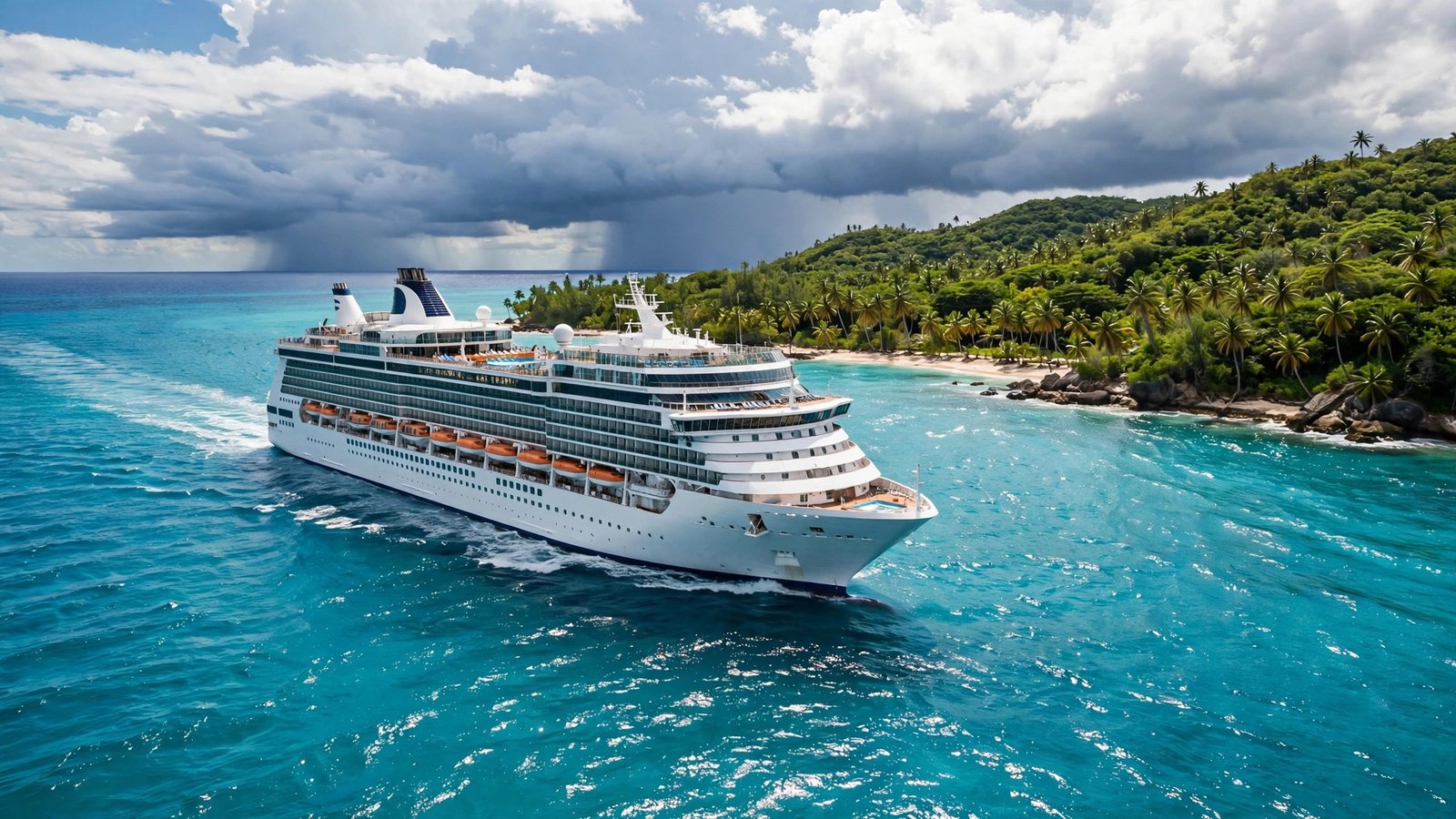
A seven-day Caribbean cruise during hurricane season (June through November) is one of cruising’s best-kept secrets: lower fares, fewer crowds, and — statistically — smooth sailing, since ships simply route around storms. But “hurricane season” on the packing list means preparing for two trips at once: the sunny Caribbean vacation you booked and the rainy-day contingency you might get. Itineraries can change, ports can swap, and a sea day can replace a beach day with twelve hours’ notice. Pack for flexibility — layers, rain readiness, and entertainment — and the season’s unpredictability becomes part of the adventure rather than a threat to it.
The Clothing Strategy: Layers Over Bulk
Caribbean cruise dress codes are resort-casual by day and smart-casual (two formal-ish nights on many lines) by evening — hurricane season adds the wrinkle of cooler, wetter spells. Pack: 5-7 lightweight tops, 3-4 shorts or skirts, 2-3 sundresses or casual evening outfits, 1-2 “elegant night” outfits (a cocktail dress or collared shirt and slacks — check your line’s dress code; most have relaxed significantly), a light cardigan or pashmina (dining rooms and theaters are aggressively air-conditioned), and a packable rain jacket — the single most important hurricane-season item. Swimwear: bring three suits so one is always dry. Undergarments for eight days (laundry is expensive onboard). A wide-brim hat and sunglasses. Shoes: comfortable walking sandals, water shoes for rocky beaches and excursions, one pair of dress shoes, and flip-flops for the pool deck. The packing experts at Cruise Critic stress the layering principle for shoulder seasons: versatile pieces that mix and match beat single-outfit items, because itinerary changes may reshuffle your formal and port days.
Hurricane-Season Specific Gear
This is what separates a hurricane-season packing list from a February one. A compact travel umbrella plus the packable rain jacket — afternoon tropical downpours are common even without storms, and being the prepared passenger while others huddle under awnings is deeply satisfying. Waterproof phone pouch: for beach days when rain blows in sideways and for water excursions generally. Seasickness remedies: rougher seas are more likely in hurricane season — pack Dramamine or Bonine, ginger chews, acupressure wristbands, or prescription patches if you are prone; the ship’s medical center sells them at steep markups. A small dry bag for excursions protects cameras and documents during wet landings. Ziplock bags in multiple sizes: for wet swimsuits, protecting electronics, organizing toiletries. A portable fan or cooling towel if you run hot — humid sea days with changed itineraries can mean unexpected hours on deck. And travel insurance documents printed out (more on that below) — keep them accessible, not buried in checked luggage.
Toiletries, Meds, and the Often-Forgotten
Cruise cabins have minimal storage and ship shops charge resort prices, so pack deliberately. Reef-safe sunscreen (required by law in Hawaii and increasingly requested across the Caribbean — and better for the reefs you are visiting anyway) plus after-sun aloe. Insect repellent — mosquitoes love the rainy season. Your full prescription supply plus a few extra days’ worth in case of itinerary-extending weather delays; keep meds in carry-on, never checked luggage. A small first-aid kit: bandages, antiseptic, pain relievers, anti-diarrheal, cold medicine. Seasickness meds (mentioned above, worth repeating). Hand sanitizer and disinfecting wipes — norovirus loves cruise ships regardless of season. A nightlight or small clip-on light: interior cabins are pitch black, and unfamiliar bathrooms at 3 a.m. need illumination. Magnetic hooks (cabin walls are metal) — the cruise hack that doubles your storage for hats, lanyards, and wet items. Power strip without surge protection (most lines ban surge protectors but allow plain multi-plug adapters) — cabins famously have two outlets for two people’s entire digital lives.
Documents, Money, and Insurance
Hurricane season makes paperwork more important, not less. Passport (required for most Caribbean itineraries; a birth certificate plus ID works for closed-loop cruises from the U.S., but a passport is strongly recommended — if a storm diverts you to a non-U.S. port and you need to fly home, only a passport works). Travel insurance is not optional in hurricane season — buy a comprehensive policy covering trip interruption, missed connections, and medical evacuation; buy within 14 days of your initial deposit if you want cancel-for-any-reason coverage. Credit cards over debit for onboard and port spending (better fraud protection). Small bills in USD for port tips, taxis, and vendors — plus a modest amount in the local currency if visiting non-dollar ports. Photocopies or phone photos of every document stored separately from originals. The U.S. State Department’s cruise travel guidance recommends registering with the STEP program and reviewing each port country’s information — a five-minute task that pays off if weather reshuffles your itinerary across borders.
Entertainment and the Rainy-Day Kit
The scenario you are packing for: a port day becomes a sea day, and you have unexpected hours aboard. Load the e-reader or tablet with books before sailing (ship Wi-Fi is expensive and slow). Download movies, shows, podcasts, and music offline. A deck of cards or travel board games turns a rainy afternoon into a social event. A journal — sea days are made for reflection. Snorkel gear if you prefer your own fit (ships rent it, but personal gear is more comfortable and hygienic). An underwater camera or waterproof phone case for the excursions you will take. Binoculars for whale watching and coastline views on scenic cruising days. And the mindset item: flexible expectations. Veteran hurricane-season cruisers consistently say the rerouted itineraries produced their best stories — the unplanned port, the extra sea day that became the most relaxing day of the year. Pack the rainy-day kit, buy the insurance, and let the season surprise you.
Packing for a hurricane-season Caribbean cruise means preparing for two trips: the sunny one you booked and the flexible one you might get. Layers, rain gear, seasickness remedies, extra meds, comprehensive travel insurance, and a rainy-day entertainment kit turn the season’s unpredictability into adventure.
Conclusion
For a 7-day Caribbean cruise in hurricane season, pack versatile layers plus a rain jacket and umbrella, reef-safe sun protection and insect repellent, extra medications and seasickness remedies, all documents with comprehensive travel insurance, and a solid rainy-day entertainment kit. The ships route around storms; your job is just to be ready for whatever the rerouted adventure brings. For more cruise and travel guides, browse our travel section, learn about our team, or share your best cruise packing tip.
Frequently Asked Questions
Is it safe to cruise the Caribbean during hurricane season?
Yes — cruise ships monitor weather constantly and reroute around storms; they have every incentive to avoid rough seas. Itineraries may change, but safety is not meaningfully compromised. Comprehensive travel insurance is strongly recommended regardless.
What happens if a hurricane affects my cruise itinerary?
The ship reroutes to avoid the storm — ports may swap, sea days may replace port days. In rare cases cruises are shortened or extended. Travel insurance covers the financial impact of major disruptions; flexible expectations cover the rest.
Do I need a passport for a Caribbean cruise?
For closed-loop cruises (starting and ending at the same U.S. port), a birth certificate plus government ID technically suffices — but a passport is strongly recommended, especially in hurricane season, in case a diversion requires flying home from a foreign port.
What kind of travel insurance do I need for hurricane season?
Comprehensive coverage including trip interruption, missed connections, and medical evacuation. Buy within 14 days of your initial deposit for cancel-for-any-reason options. Read the hurricane/weather provisions carefully — coverage triggers vary by policy.
How rough are the seas during hurricane season?
Usually not noticeably rougher — ships route around storms. But pack seasickness remedies anyway, choose a midship cabin on a lower deck for maximum stability, and remember the ship’s medical center stocks remedies at premium prices.
Leave a Reply