
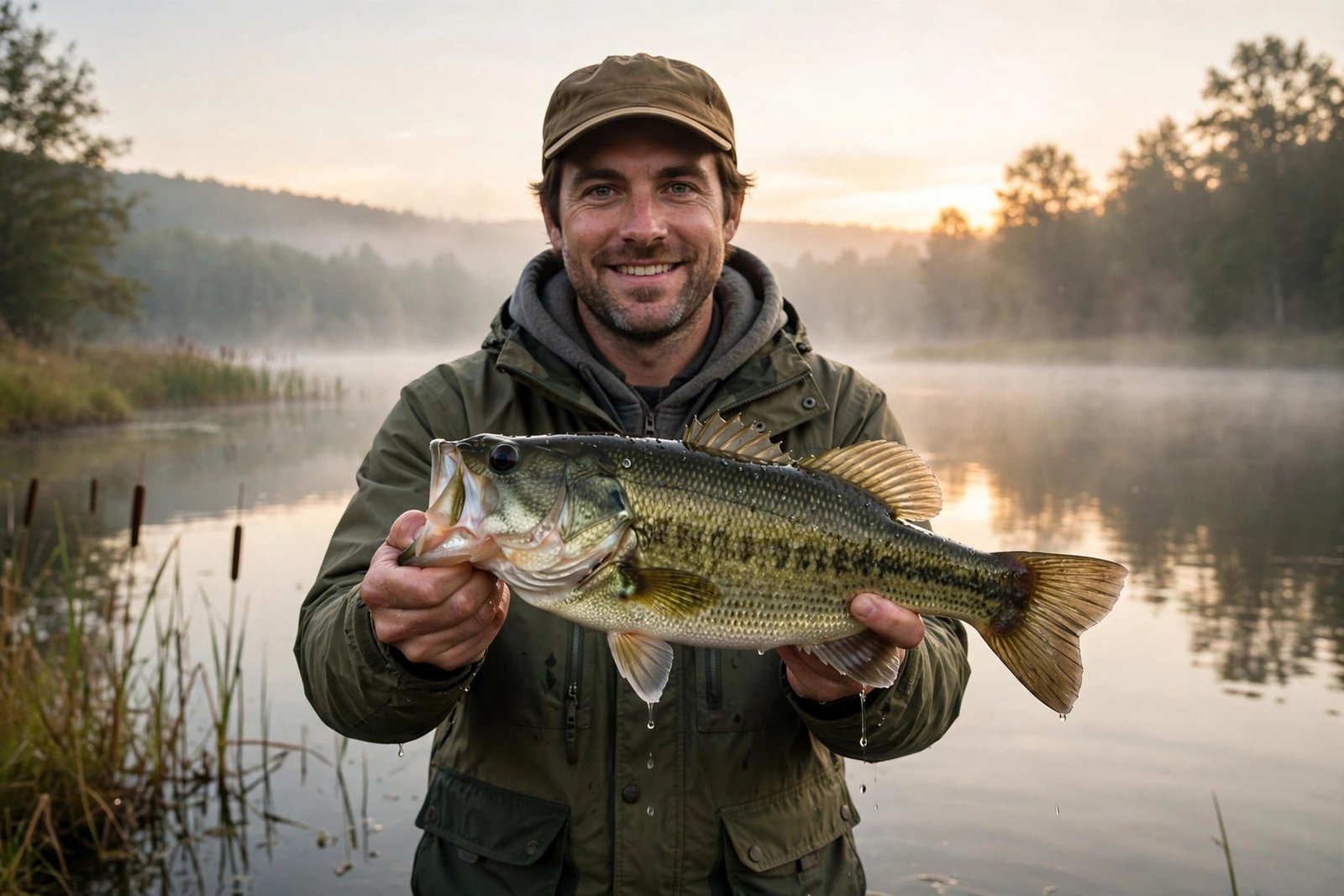
You just landed a beautiful bass — and now the real question surfaces: dinner or photo? Across America, millions of anglers face the same dilemma, because the fish in any given lake can be perfectly safe or quietly carrying contaminants you cannot see, smell, or taste. The water might look pristine while the fish accumulate decades of industrial history. The good news: every state publishes guidance telling you exactly what is safe, and a few principles cover the rest. Here is how to tell if the fish in your local lake are safe to eat.
The Contaminants That Matter: Mercury, PCBs, and PFAS
Three pollutants dominate fish safety concerns. Mercury arrives mostly from the air — coal combustion and other sources deposit it into waterways, where bacteria convert it to methylmercury, which climbs the food chain and concentrates in fish tissue. It is a neurotoxin, most dangerous to developing brains. PCBs (polychlorinated biphenyls), banned in 1979 but persistent in sediments near old industrial sites, accumulate in fish fat and are linked to immune and developmental effects. PFAS (“forever chemicals”) are the emerging concern, found near military bases, airports, and manufacturing sites, accumulating in fish protein. None of these change how a fish looks, smells, or tastes — which is exactly why advisories exist. The pattern to remember: contaminants biomagnify, meaning top predators carry the highest loads. That trophy bass is more contaminated than the bluegill, almost by definition.
Check Your State’s Fish Consumption Advisory First
This is the single most important step, and it takes five minutes. Every state monitors popular fishing waters and publishes fish consumption advisories — searchable maps and tables telling you, lake by lake and species by species, how many servings per month are safe (or whether to eat none at all). Search “[your state] fish consumption advisory” to find yours; most state health or environmental agencies maintain interactive maps. Advisories specify by waterbody, species, and fish size, because contamination varies enormously — one lake can be clean while the next one over carries a do-not-eat warning. Pay special attention to waters near old industrial sites, mines, military installations, and urban areas. These advisories are based on actual tissue testing, not guesswork — they are the closest thing to a definitive answer, and ignoring them is the one genuinely risky move. The EPA’s fish consumption advisory guidance explains how the national advisory system works and links to state programs.
Which Fish Carry the Most Risk
When no advisory exists for your lake, general principles guide you. Eat lower on the food chain: panfish like bluegill, crappie, and perch accumulate far less mercury than bass, walleye, pike, and catfish — the predators that eat other fish. Smaller and younger fish are safer than large old ones, because contaminants accumulate over a lifetime; that wall-hanger bass is the riskiest fish in the lake. Fatty fish carry more PCBs and dioxins (which store in fat), while mercury distributes through muscle — so trimming strategies differ by contaminant. Bottom-feeders in industrial areas can carry sediment-bound pollutants. And some species are just known accumulators: in many regions, largemouth bass, walleye, and northern pike top the watch lists. None of this means never eat them — it means eat them in the moderation the advisories specify, and fill the rest of your fish meals with low-risk species.
Who Needs to Be Most Careful
Risk is not evenly distributed. Women who are pregnant, planning pregnancy, or breastfeeding, and young children face the highest stakes — methylmercury harms developing nervous systems at exposures harmless to adults. For these groups, advisories are often stricter, sometimes recommending zero servings of high-mercury species. The FDA’s advice on eating fish provides detailed charts of best choices versus choices to avoid for these vulnerable groups. Healthy adults face lower risk from occasional meals, but the guidance still applies: vary the species you eat, follow local advisories, and do not make high-mercury predator fish a weekly staple. If your family includes anyone in a sensitive group, let their needs set the household rule — it is simpler and safer than cooking two menus.
Cleaning and Cooking to Reduce Risk
Preparation meaningfully reduces some contaminants — but not all, and the distinction matters. PCBs, dioxins, and many pesticides concentrate in fat and skin: fillet the fish, remove the skin, trim all visible fat and the dark lateral line, and discard the organs and head where pollutants gather. Cooking methods that let fat drip away — grilling, broiling, baking on a rack — further reduce fat-soluble contaminants; avoid frying, which seals them in. But mercury is different: it binds to muscle protein throughout the fillet, and no cleaning or cooking method removes it. You cannot trim, drain, or cook your way out of mercury — the only control is choosing lower-mercury fish and limiting servings. Know which contaminant you are managing: fat-trimming beats PCBs, while species choice and moderation beat mercury.
When in Doubt: Catch, Photo, Release
There is no shame in the precautionary path. If your lake has no advisory data, sits near industry or agriculture, or you are feeding vulnerable family members, catch-and-release keeps all the sport with none of the risk. Many trophy fisheries are managed as catch-and-release anyway. When you do keep fish, keep a personal log of what you eat and how often — it makes following serving guidelines concrete rather than aspirational. And consider getting involved: volunteer water monitoring programs and local watershed groups often need anglers’ help, and the data they gather becomes the advisories that protect everyone. The fish will still be there next season; the question is just whether they belong on the plate or in the photo album.
Fish safety is invisible — contaminants do not change taste, smell, or appearance. Check your state’s fish consumption advisory for your specific lake and species first; it is based on real tissue testing. Otherwise, eat lower on the food chain, favor smaller fish, trim fat and skin to cut PCBs, and remember no cooking method removes mercury. When in doubt, catch and release.
Conclusion
How can you tell if the fish in your local lake are safe to eat? Start with your state’s fish consumption advisory — five minutes of searching gives you lake-specific, species-specific guidance. Understand the contaminant patterns: mercury climbs the food chain into predators, PCBs hide in fat, and no preparation removes mercury from muscle. Protect vulnerable family members with stricter choices, and default to catch-and-release when information is thin. The water may look clean; the advisory tells you if the fish are. For more food safety and outdoor science, visit our science section, meet our team, or share your local fishing waters.
Frequently Asked Questions
Where do I find fish consumption advisories for my state?
Search “[your state] fish consumption advisory” — your state health department or environmental agency maintains the listings, often as an interactive map by waterbody and species. The EPA’s website links to all state programs. Check before the season starts and recheck annually, as advisories update with new testing.
Does cooking remove mercury from fish?
No. Mercury binds to proteins throughout the muscle, and no cleaning, trimming, or cooking method removes it. Fat-trimming and skinning reduce PCBs and dioxins (which store in fat), but mercury can only be managed by choosing lower-mercury species and limiting servings of high-mercury fish.
What fish are safest to eat from local lakes?
Smaller panfish low on the food chain — bluegill, crappie, perch — generally carry the lowest contaminant loads. Large, old predators like largemouth bass, walleye, and pike accumulate the most mercury. Always cross-check with your lake’s specific advisory, which overrides general rules.
Can children eat locally caught fish?
Yes, with extra caution: follow the stricter advisory servings for children, favor low-mercury species like panfish, and avoid high-mercury predators. The FDA provides specific charts for children and pregnant women. When feeding kids, let the most sensitive person’s guidelines set the household rule.
What are PFAS and should I worry about them in fish?
PFAS are “forever chemicals” from industrial and military sources that accumulate in fish near contaminated sites. They are an emerging concern, and some states have begun issuing PFAS-specific fish advisories. Check whether your state’s advisory program tests for PFAS, especially near airports, bases, or factories.
Leave a Reply