
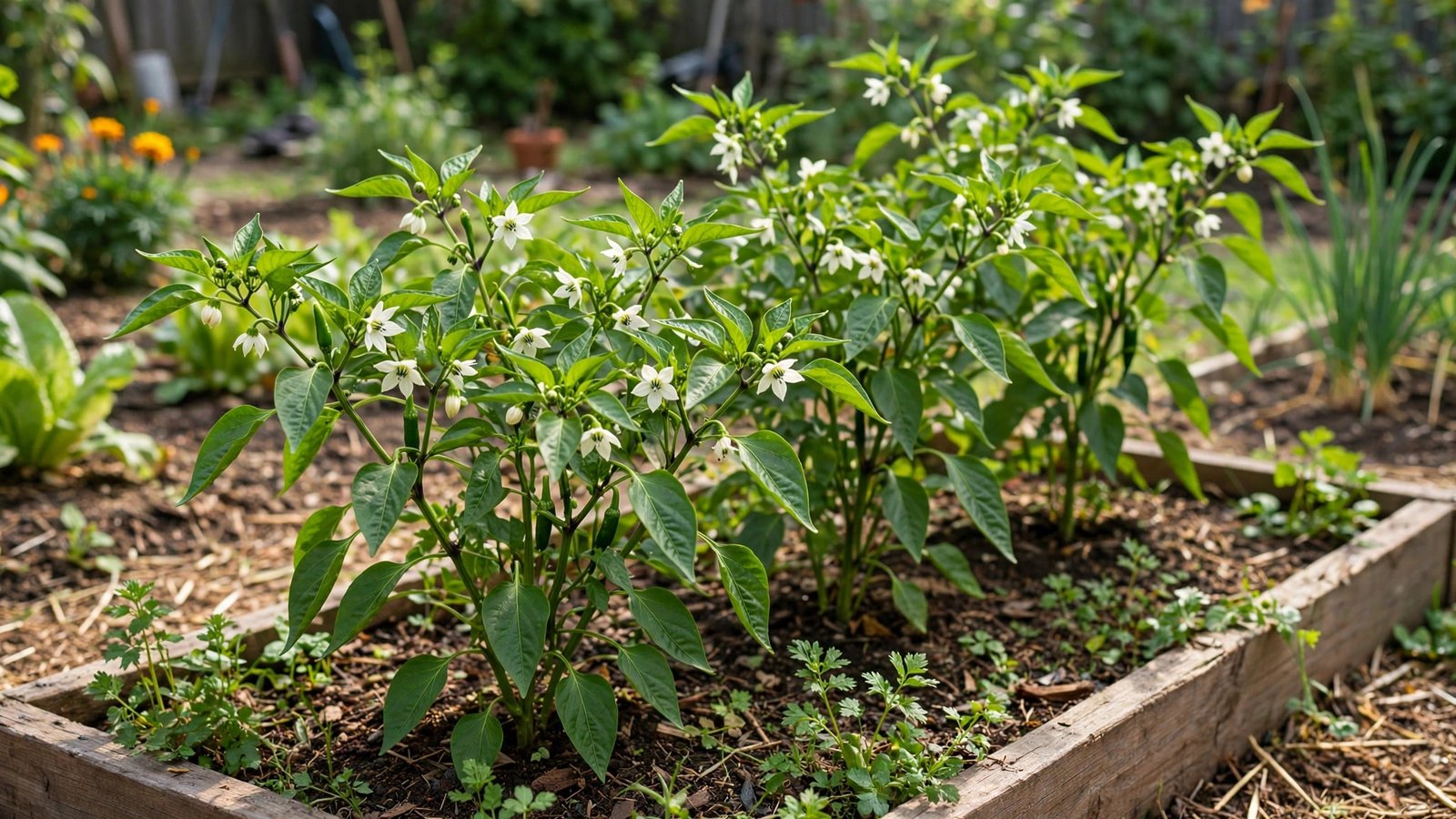
Nothing is more frustrating than watching your pepper plants burst into bloom, counting the future harvest in your head, and then finding a carpet of fallen blossoms under the plants a few days later. Flower drop — sometimes called blossom drop — is one of the most common complaints among home pepper growers, and it happens to beginners and veterans alike. The good news is that the plant is not sick and you probably did not do anything terribly wrong. Pepper flowers fall for a handful of specific, fixable reasons, and once you identify which one is at work in your garden, you can usually stop the drop within a week or two and get those plants setting fruit the way they should.
Heat Is the Number-One Culprit
By far the most common cause of pepper flower drop is temperature stress, especially heat. Peppers are warm-season plants, but their blossoms are surprisingly picky: daytime temperatures consistently above about 90°F, or nighttime temperatures staying above roughly 75°F, cause flowers to abort before pollination can finish. The plant is essentially protecting itself — setting fruit in extreme heat produces weak, misshapen peppers, so the plant cuts its losses. This is why flower drop peaks during heat waves in July and August across much of the United States. You cannot air-condition a garden, but you can help: shade cloth rated at 30 to 40 percent draped over plants during the hottest afternoons can drop leaf temperatures dramatically. Water deeply in the morning so plants head into the heat fully hydrated, and mulch heavily to keep roots cool. The RHS pepper growing guide has variety-specific tips for hot climates. Often the drop stops when the heat breaks, and plants produce heavily in the milder weather of late summer and fall.
Readers can also follow related coverage through London Big News’ capital coverage.
Cold Snaps Cause It Too
The flip side of heat stress is cold. Nighttime temperatures dipping below about 55 to 60°F can also trigger blossom drop, which is why gardeners who transplant too early in spring often see their first flush of flowers fall. Peppers planted out while nights are still chilly sit there shivering instead of setting fruit. The fix is timing and protection: wait until nighttime temperatures are reliably above 60°F before transplanting — usually a week or two after your last frost date, not on it. If a late cold snap threatens, cover plants with row cover fabric or even old bedsheets overnight, removing the covers in the morning. Plants that dropped flowers due to cold almost always rebound and bloom again once warm nights return, so a cold-induced drop early in the season rarely affects your total harvest.
Pollination Problems and What to Do About Them
Pepper flowers are self-pollinating, but pollination can still fail. In still, humid air — greenhouses, indoor setups, or long rainy stretches — pollen does not transfer properly and unpollinated blossoms drop. The fix is simple: gently shake or tap plants each morning to mimic visiting bees. Outdoors, nearby pollinator flowers help; indoors, a small fan for a few hours a day works wonders. The University of Minnesota Extension’s pepper growing guide notes that good air circulation and avoiding temperature extremes are key to reliable fruit set.
Watering and Feeding Mistakes
Both too much and too little water stress pepper plants into dropping flowers. Inconsistent watering — soaked one day, bone dry the next — is worse than either extreme, because the plant keeps adjusting and aborting blossoms in response. Aim for consistently moist, never soggy, soil: deep watering two to three times a week in most climates, more during heat waves, with several inches of mulch to even out moisture swings. On the feeding side, the classic mistake is too much nitrogen. Heavy nitrogen fertilizer produces gorgeous, lush, dark-green plants with almost no fruit — the plant puts all its energy into leaves. If your plants look fantastic but drop every flower, cut back on nitrogen and switch to a fertilizer higher in phosphorus and potassium once flowering begins, or side-dress with compost. A soil test every couple of years takes the guesswork out of feeding entirely.
Pests, Disease, and Simple Overcrowding
Sometimes flowers drop because the plant is under attack. Aphids and thrips feeding on buds can cause blossoms to abort, and stressed, pest-ridden plants prioritize survival over reproduction. Inspect flower clusters and growing tips regularly — a strong blast of water dislodges aphids, and insecticidal soap handles heavier infestations. Fungal issues from overhead watering and poor air circulation add stress too, so water at the base of plants. Overcrowding is another quiet cause: peppers planted too close together compete for light, water, and nutrients, and shaded interior flowers drop. Give plants 18 to 24 inches of space, prune lightly for airflow if they become a jungle, and remove suckers judiciously rather than letting the plant sprawl. A stressed plant drops flowers; a comfortable plant sets them.
When Flower Drop Is Actually Normal
Here is the reassurance part: some flower drop is completely normal and not worth fixing. Young pepper plants often produce a first flush of blossoms before they are big enough to support fruit, and dropping those early flowers is the plant pacing itself — many experienced growers pinch off the very first flowers deliberately to encourage stronger root and leaf growth first. A plant adjusting after transplant also commonly drops its first blossoms while it settles in. And no pepper plant sets every flower; even healthy plants abort a portion of their blossoms naturally. Judge by the trend, not individual fallen flowers. If the plant is growing vigorously, producing new buds, and only dropping some blossoms during a heat wave, leave it alone — it knows what it is doing. Worry only when nearly all flowers fall over an extended period, which signals one of the correctable stresses above.
Pepper flowers drop mainly from heat above 90°F, cold nights below 60°F, poor pollination in still air, inconsistent watering, or excess nitrogen. Fix the stress — shade cloth, steady watering, gentle daily shaking, balanced feeding — and healthy plants resume setting fruit, often producing their best harvest after the stressful weather passes.
Conclusion
Flower drop feels like failure, but it is really your pepper plant communicating. Check the thermometer first, because temperature stress causes most cases — shade cloth and patience handle heat waves, and proper transplant timing handles cold. Then look at pollination, watering consistency, and feeding, shaking plants gently each morning and easing off nitrogen once blooms appear. Remember that some early blossom loss is the plant pacing itself, not a crisis. Work through the causes methodically instead of changing everything at once, and you will find the trigger. For more vegetable-growing troubleshooting, explore our gardening guides, learn who writes them, or ask us about your garden problems.
Frequently Asked Questions
Will my pepper plant grow new flowers after dropping them?
Almost always. Flower drop is a temporary stress response, not damage. Once temperatures moderate, healthy plants produce new buds within one to two weeks — many gardeners get their heaviest harvests from the post-heat-wave bloom.
Should I pinch off the first flowers on young pepper plants?
Many experienced growers do. Removing the first flush of blossoms on small transplants directs energy into roots and foliage, producing a sturdier plant that supports a heavier harvest later. It is optional, but if your young plants are dropping those first flowers anyway, the plant is essentially making the same decision itself.
How much shade cloth do pepper plants need in extreme heat?
A 30 to 40 percent shade cloth is the sweet spot — enough to cool plants significantly without starving them of light. Drape it over supports so it does not rest directly on foliage, and use it during the hottest afternoon hours or leave it up through heat waves. Remove it once temperatures drop back below the mid-90s.
Can over-fertilizing cause flower drop?
Yes, particularly with nitrogen-heavy fertilizers. Excess nitrogen pushes leafy growth at the expense of flowers and fruit, and the blossoms that do form often abort. Once plants start flowering, switch to a balanced or bloom-focused fertilizer, and always follow label rates — more is not better with peppers.
Do I need bees to pollinate my peppers?
Not strictly — pepper flowers are self-pollinating and do not require bees. But bee visits improve pollination rates and fruit quality, and in still or humid conditions where pollen does not move well on its own, any vibration help matters. Gently shaking plants daily achieves much of the same effect indoors or on calm days.
Leave a Reply