
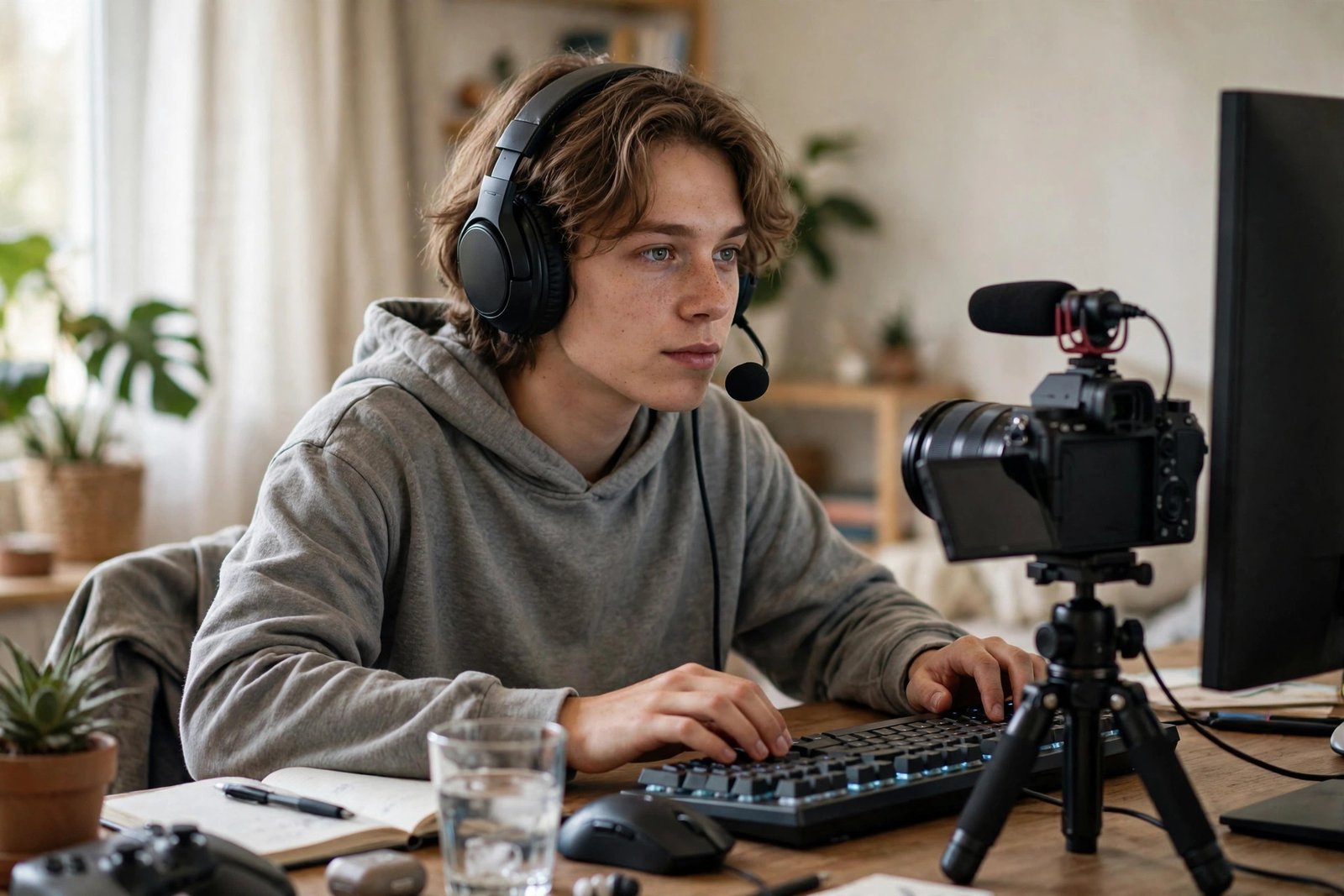
The dream is earning a living from games; the reality most people picture is going pro or becoming a famous streamer — both lottery tickets. But there is a wide middle ground of realistic ways to make money playing video games without elite skill or a massive audience. Game testing, coaching lower-ranked players, creating content around niche games, selling in-game services, and participating in the games industry’s many side economies all pay real money to non-pro players. None of them will make you rich overnight, but several can genuinely cover bills. Here is an honest map of what works, what pays, and what to avoid.
Game Testing and QA: Getting Paid to Break Games
Quality assurance testing is the most straightforward entry point. Studios and QA firms hire testers to play pre-release builds, follow test plans, and document bugs with clear reproduction steps. It is not glamorous — you will play the same ten minutes of a level fifty times — but it pays hourly, teaches you how games are made, and needs no competitive skill, just attention to detail and clear writing. Look for QA postings at major publishers, contracting firms that staff game QA, and remote playtesting platforms that pay per session for feedback on prototypes. Build a resume around any testing, writing, or technical experience, and treat bug reports as writing samples: precise, reproducible, and professional. The game industry job boards at GameDev.net regularly list QA openings at all experience levels.
Coaching: Your Rank Is Someone Else’s Aspiration
You do not need to be pro to coach — you need to be clearly better than your students and able to explain why. A Diamond player can coach Gold players; a Gold player can coach Bronze players. Platforms dedicated to game coaching connect you with students for hourly sessions, typically via VOD review and live guidance. The skills that matter are communication and analysis, not just mechanics: can you watch a replay and identify the three habits holding someone back? Start by coaching friends for free to build testimonials, record your sessions as proof of quality, and price modestly until reviews accumulate. Coaching income scales with reputation, and the best coaches build recurring student bases. It is also genuinely rewarding work — watching a student climb because of your guidance beats most grinding.
Content Creation in Niches the Big Channels Ignore
You do not need a million subscribers to earn from content — you need a specific audience. Big channels fight over the same trending games; small creators win by owning niches: challenge runs, obscure retro games, achievement hunting, speedrunning categories with tiny leaderboards, educational content for one specific game, or cozy-game audiences that value calm over hype. Monetization at small scale comes from ad revenue (modest), affiliate links for gear you actually use, and eventually sponsorships from companies targeting your niche. The realistic timeline is six to twelve months of consistent posting before meaningful income — anyone promising faster is selling a course. Pick a niche you will still enjoy in a year, because consistency is the entire game. YouTube’s creator support resources explain the Partner Program thresholds honestly.
In-Game Economies and Services
Many games have legitimate player economies where time and skill convert to money. Boosting and account services exist in a gray area — against most games’ terms of service, risking bans — so the safer plays are elsewhere: selling rare items or accounts where the game’s terms allow it, creating and selling custom content (mods, maps, skins on supported platforms), or offering legitimate services like raid carries in games where they are permitted. Games with official real-money markets or creator programs are the safest ground. Research each game’s terms carefully before investing time — building a business on an activity the developer bans is building on sand. The rule is simple: if the developer explicitly supports the transaction, it is an opportunity; if they merely tolerate it, it is a risk.
Tournaments Below the Pro Level
Esports is not just the million-dollar finals. Weekly online tournaments, community leagues, and amateur circuits offer prize pools from tens to thousands of dollars, and the competition is beatable for dedicated non-pro players. Many games have official amateur ladders and tournament platforms built into the client. Treat these like a part-time job: practice deliberately, find consistent teammates, and track your results. Winnings will be irregular — feast months and dry months — so view tournaments as supplemental income and skill-building rather than a salary. The networking matters as much as the prizes: amateur scenes are where coaches, content collaborators, and industry contacts come from.
Adjacent Work: Writing, Art, and Community Jobs
Some of the steadiest gaming income does not involve playing at all. Game guides and news sites pay freelance writers; studios hire community managers, moderators, and support staff who live in the games they serve; artists sell commissions for character art, overlays, and emotes to streamers. If you have writing, art, video editing, or community skills, the gaming industry buys them from non-pros constantly. These roles also have something playing-for-money rarely offers: stable pay and career progression. A portfolio of game-related work — guides you have written, videos you have edited, communities you have moderated — opens these doors faster than any rank.
Making money from games without going pro means selling something adjacent to elite play: testing, coaching, niche content, legitimate in-game services, amateur tournaments, or industry skills like writing and community management. Pick one lane, give it six to twelve months of consistent effort, and treat anyone promising overnight riches as a scam.
Conclusion
You do not need pro-level skill to earn money around video games — you need a lane and consistency. Test games for studios, coach players below your rank, build content in an underserved niche, work legitimate in-game economies, compete in amateur tournaments, or sell adjacent skills like writing and art to the industry. Each path pays real money on a realistic timeline of months, not days. Start with the one that matches skills you already have, keep your expectations honest, and let one stream of income fund the next. For more gaming career walkthroughs, browse our gaming guides, meet the team behind them, or send us your questions.
Frequently Asked Questions
How much can a non-pro realistically earn from gaming?
It varies enormously by lane. QA testing pays hourly wages comparable to other entry-level tech work. Coaching and content start near zero and scale with reputation — established small creators and coaches commonly earn hundreds to low thousands monthly. Treat early earnings as supplemental until one lane proves itself over six-plus months.
Is game boosting a legitimate way to make money?
It pays, but it violates the terms of service of most major games and risks permanent account bans for you and your clients. It is also increasingly targeted by developers legally. The risk-adjusted return is poor compared to legitimate lanes like coaching or content.
Do I need expensive equipment to start creating gaming content?
No. A midrange PC or console, free recording software, and a decent microphone are enough to start. Many successful niche creators began with basic setups. Upgrade equipment from earnings, not before them.
How do I find game testing jobs?
Check QA listings at major publishers, game QA contracting firms, and remote playtesting platforms. Also watch studio career pages for “QA tester” and “playtester” roles. A resume emphasizing attention to detail and clear writing matters more than your rank in any game.
Can kids or teens earn money from gaming?
With parental involvement, yes — content creation and some tournament play are open to younger players, though monetization platforms have age requirements (typically 13+ with parental consent, 18+ for payouts). Never let a minor share personal details or financial access with strangers offering gaming “opportunities.”
Leave a Reply