
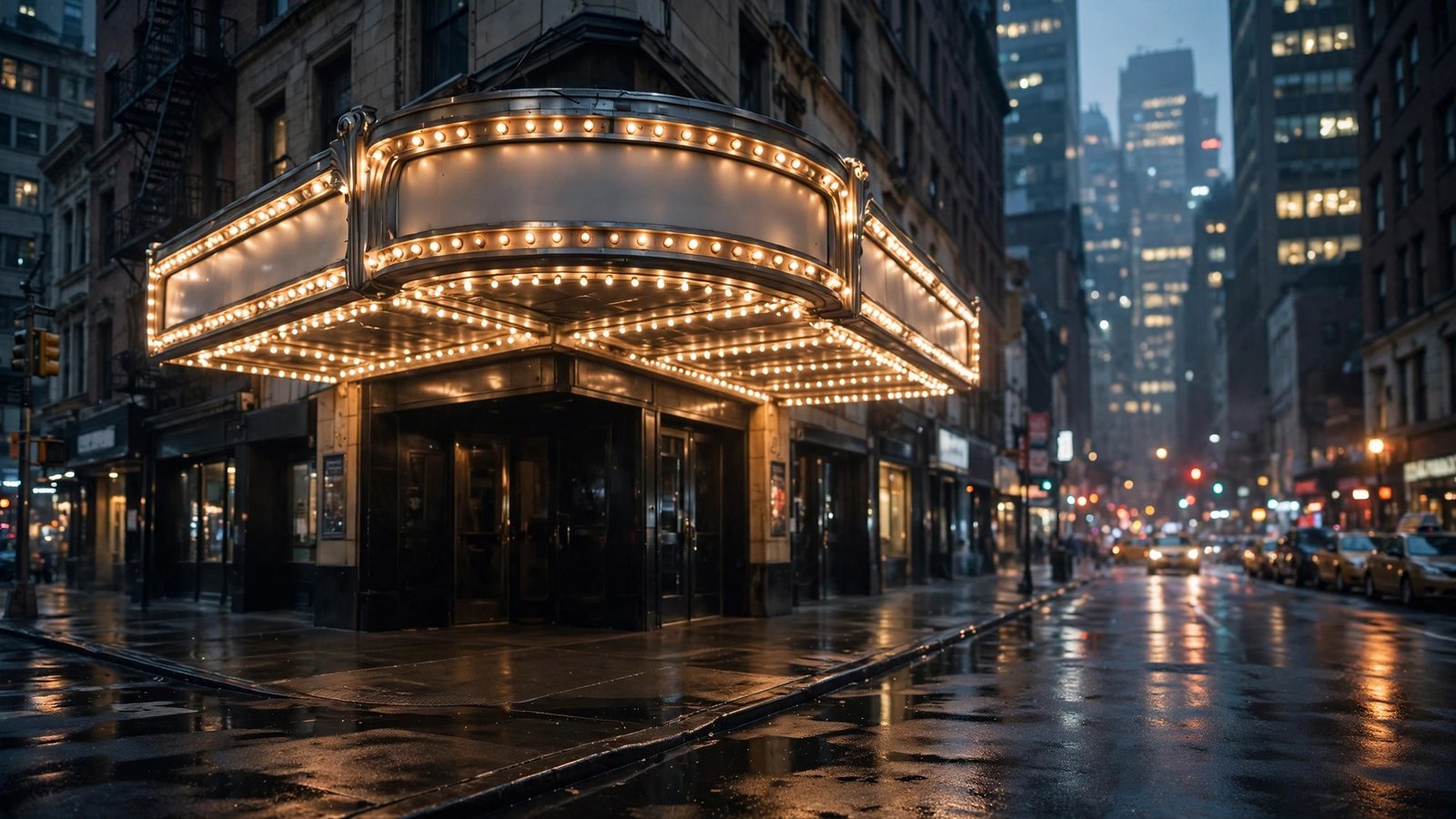
The show everyone is talking about is sold out — officially, anyway. But “sold out” on Broadway rarely means every seat is truly gone; it means every seat is gone at full price through the obvious channels. Between lotteries, rush tickets, standing room, and strategic timing, there are legitimate ways to see even the hottest shows for a fraction of face value. Here is the complete playbook, from cheapest to most reliable.
Digital Lotteries: The $30–$50 Miracle
Almost every Broadway show runs a digital lottery — enter online the day before (or morning of), and winners buy up to two tickets at steep discounts, typically $30–$50 each. Lotteries for mega-hits draw thousands of entries for a handful of seats, so treat them as a lottery, not a plan — but the expected value is excellent since entry is free and takes thirty seconds. Enter every lottery for every show you would see, every single day you are in the city; regulars win with surprising frequency through sheer volume of entries. Apps and sites aggregating Broadway lotteries let you enter a dozen in a few minutes each morning. Pro tip: enter for off-peak performances (Tuesday, Wednesday, Sunday evening) where the entry pools are smaller.
Rush Tickets: For the Early and the Flexible
Rush tickets are same-day discounted seats sold first-come, first-served — usually $40–$60 — when the box office opens. The catch is the line: for hot shows, dedicated fans queue hours before opening, and policies vary (some are in-person only, some digital). Check each show’s official site for its rush policy before committing your morning. General rush (open to everyone) versus student rush (ID required, sometimes cheaper) matters for eligibility. Rush seats are often excellent — theaters would rather fill them cheaply than leave them empty — but you cannot choose your seats, and popular shows may exhaust rush inventory fast. Pair a rush attempt with a lottery entry for the same show to double your chances.
Standing Room: The Insider’s Secret
When a show is truly sold out, theaters sell standing-room spots — typically $30–$50 — at the back of the orchestra. Here is what the uninitiated do not know: standing room at many Broadway houses is genuinely good viewing, and ushers sometimes seat standees in unsold seats after the show starts. It requires stamina (you stand the whole performance, though some spots have rails to lean on), and availability is day-of only — ask at the box office when it opens. For a two-and-a-half-hour musical, it is a commitment; for a 90-minute play, it is a steal. Call ahead to confirm the show offers it, since policies differ by theater.
TKTS and Same-Day Discount Booths
The TKTS booth in Times Square (and its smaller siblings) sells same-day tickets at 20–50% off for shows with unsold inventory. The inventory skews toward shows that are good but not white-hot — you will not find the year’s biggest hit there, but you will find excellent productions at real discounts. Go early for the best selection (the booth opens mid-morning), and check the TKTS app or website to see the day’s offerings before trekking over. The 50%-off tier represents genuine value; the 20–30% tier is worth comparing against the show’s own site, where fees may differ. Avoid the costumed ticket scalpers around Times Square entirely — their “deals” are overpriced, sometimes counterfeit, and never worth it.
Timing and Flexibility Tricks
Price follows demand curves even for “sold out” shows. Performances in January and February (post-holiday slump) and late August/early September are historically the softest — discount availability peaks. Within a week, Tuesday through Thursday evenings beat Friday and Saturday. For shows early in their run, waiting a few months often helps: initial frenzy cools, and the same seats appear at lower prices or through wider discount channels. Conversely, for limited engagements with closing dates announced, prices only rise — buy those early. If your dates are flexible, checking the official site for newly released seats (production holds, returned house seats) in the final weeks can surface face-value tickets to “sold out” performances. The Broadway League’s official resources list current shows and link to authorized sellers.
What to Avoid
Never buy from street scalpers or sketchy resale sites promising “guaranteed” sold-out seats at massive markups — counterfeit Broadway tickets are a real problem, and a fake ticket means watching the marquee from the sidewalk. On resale platforms, compare the all-in price (with fees) against face value; dynamic resale pricing for hot shows can reach absurd multiples that no discount strategy justifies. And be wary of “VIP packages” that bundle a mediocre seat with a lounge pass at triple the price — the seat is what matters. Stick to official channels: the show’s website, Telecharge, the box office, authorized lotteries, and TKTS. NYC’s consumer protection resources cover ticket fraud complaints if something goes wrong.
The Stage Door: Free After the Show
Here is the best free Broadway experience of all: the stage door. After most performances, cast members exit through a designated door to sign playbills and take photos — completely free, and often the highlight of the trip for theater-loving kids. Ask an usher before the show where the stage door is and how long the wait typically runs. Bring your playbill and a sharpie; be patient and gracious, since performers are not obligated to stop. Weeknight shows and smaller productions yield the most generous stage-door experiences. It costs nothing, takes twenty minutes, and turns a discounted ticket into a core memory.
Sold-out Broadway shows still have cheap seats: enter every digital lottery daily, try morning rush lines, ask about $30–$50 standing room, check TKTS for same-day discounts, and target off-peak months and weeknights. Never buy from street scalpers.
Conclusion
Seeing a sold-out Broadway show for less is a game of channels and timing: lotteries for the cheapest seats, rush lines for same-day discounts, standing room for the committed, TKTS for reliable markdowns, and off-peak scheduling for the best odds. Layer two or three strategies per trip and the “sold out” sign becomes a suggestion, not a verdict. For more entertainment and New York guides, explore our entertainment section, meet the team, or send us your theater questions.
Frequently Asked Questions
How do Broadway digital lotteries work?
Enter online the day before or morning of the performance; winners (drawn randomly) can buy up to two tickets at $30–$50 each. Entry is free and takes seconds — enter every lottery for every show you would see, prioritizing off-peak performances with smaller entry pools.
What are Broadway rush tickets?
Same-day discounted tickets (usually $40–$60) sold first-come, first-served when the box office opens. Policies vary by show — some in-person only, some digital, some student-only. Arrive early for hot shows and check the show’s official site for its specific policy.
Is Broadway standing room worth it?
Often yes — $30–$50 for a sold-out show, with surprisingly decent views at many theaters and a chance of being seated in unsold seats after curtain. It is day-of only and requires standing the full performance, so it suits shorter plays best.
When is the cheapest time to see a Broadway show?
January–February and late August–early September are the softest demand periods, with the most discount availability. Within a week, Tuesday–Thursday evenings undercut weekends. Avoid opening weeks of mega-hits and closing weeks of limited runs.
Is TKTS legitimate?
Yes — TKTS is the official same-day discount booth run by the Theatre Development Fund, selling genuine tickets at 20–50% off. Go early for the best selection and check the day’s offerings online first. Never confuse it with costumed street scalpers nearby.
Leave a Reply